The Synodal Church Selects Its Future Priests: Are Young Men of Tradition Already Excluded?
RomeMembers only Jun 27, 20261Add to bookmarks
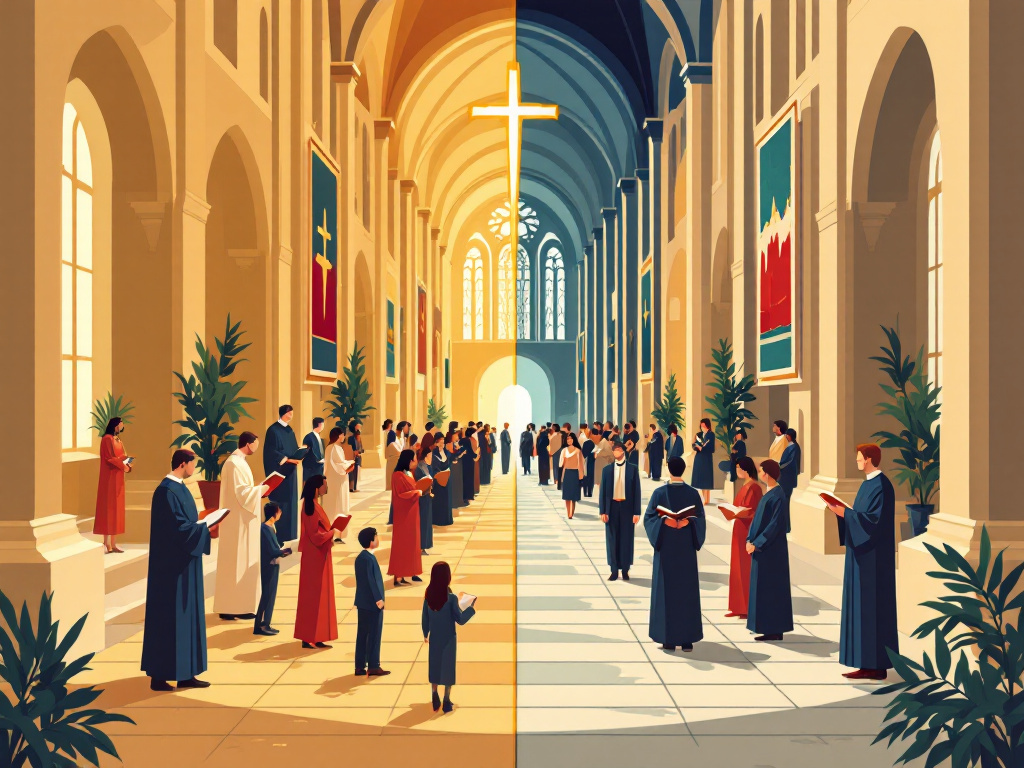
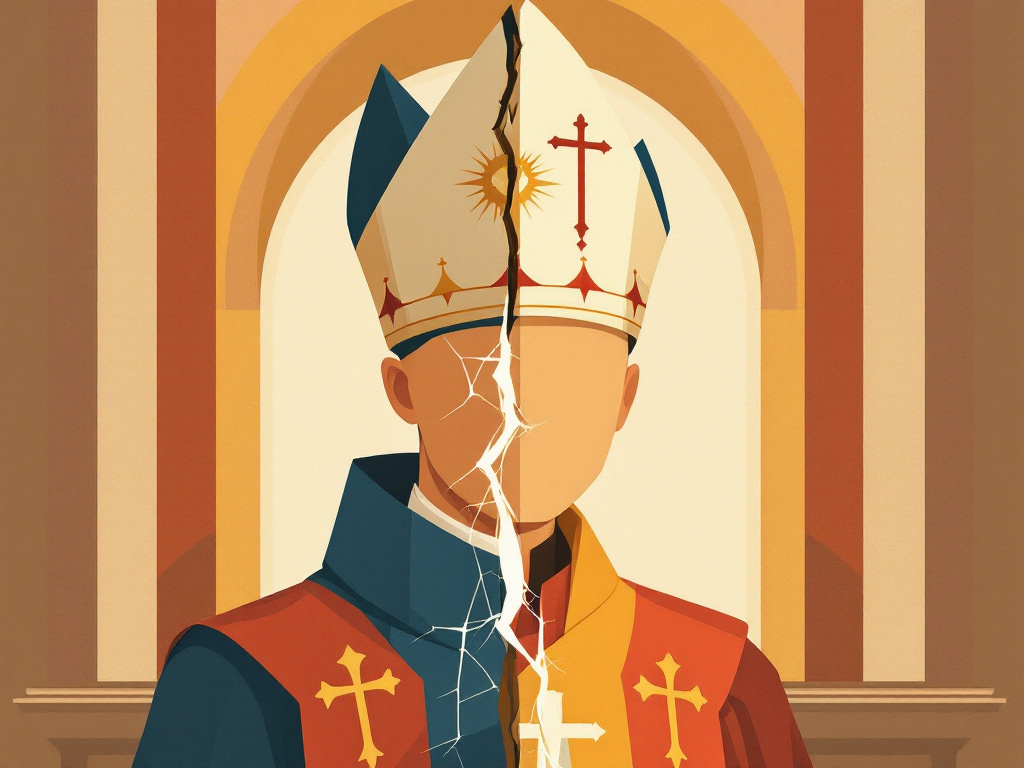
Reformed seminaries according to the synodal vision would exclude candidates attached to Tradition: if the practice is proven on a large scale, it violates canon law and deprives the Church of a generation of priests.
Context
We had documented how Rome was closing the door on the German Synodal Way regarding lay preaching, and how the SSPX was resisting the call for canonical regularization. An opinion piece published by LifeSiteNews on June 26, 2026, raises a complementary and daunting question: would the Report of Synodal Study Group No. 4, produced as part of the ongoing process, constitute a structurally unfavorable framework for young men attached to Tradition? The stakes involve the transmission of the priesthood itself.
The Facts
The author analyzes the Report of Synodal Study Group No. 4 (Synod Study Group 4), an official document from the synodal process. According to their interpretation, this report functions in reality as an "instruction manual" to guide priestly formation in a specific ecclesiological direction. It would define criteria favoring candidates aligned with the synodal vision: valorization of lay co-responsibility, sensitivity to institutional renewal, adherence to a renewed ecclesiological vocabulary. By implication, candidates expressing attachment to traditional liturgical forms, classical moral doctrine, or a hierarchical ecclesiology would be structurally disadvantaged in admission processes inspired by this framework. This is an opinion-based analysis of an official document; while the author's interpretation is argued, it would merit comparison with the full text of the report.
Doctrinal Analysis
Canon law is clear. Canon 1051, §1 requires testimony regarding the candidate's moral, pious, and intellectual qualities—without ideological criteria. Canon 1025, §1 specifies that the bishop must have moral certainty of the required qualities "according to the doctrine of the Church." The Ratio Fundamentalis Institutionis Sacerdotalis of 2016 (Dicastery for the Clergy) demands discernment of "human, spiritual, intellectual, and pastoral qualities"—not conformity to a particular ecclesiological sensitivity. Any formation criterion that systematically excludes candidates due to their attachment to the extraordinary form of the Roman Rite or traditional moral doctrine would be contrary to current canon law.
Stakes for the Church and the Faithful
If this orientation is indeed at work in seminaries referring to this synodal framework, the Church would be depriving itself of an entire generation of priests formed in fidelity to Tradition. The paradox is striking: a Church that calls itself synodal—walking together—would exclude from the journey those who walk differently. For the faithful, the consequence is concrete: dioceses increasingly lacking priests capable of responding to their thirst for doctrinal depth and liturgical beauty.
Critical Reading and Blind Spots
The article is based on the analysis of an official synodal document, giving it a more solid foundation than mere informal testimonies. However, it remains an interpretation: the report likely does not explicitly formulate exclusion criteria. The central question remains one of transparency: are the criteria effectively applied in admission committees in conformity with canon law? There are seminaries where diversity of sensitivities is respected despite the synodal framework. This is precisely why an investigation by the Dicastery for the Clergy is necessary to verify the canonical conformity of actual admission practices.
To Reflect and Act
"Pray therefore the Lord of the harvest to send out laborers into his harvest" (Mt 9:38). The priestly vocation is a gift from God, not the product of ideological selection. The faithful who know young men seeking the priesthood must help them find seminaries and institutes where they will be welcomed and discerned according to their true spiritual and intellectual merits.
Content reserved for members
Create a free account to access all our content and the weekly review.
Comments (1)
Sign in to join the discussion.

Ph. Renard Seed28 Jun 2026 · 06:55
Si Rome écarte les séminaristes traditionnels, c'est du suicide. Le droit canon l'interdit, mais surtout, qui va confesser et dire la messe demain ?
Story timeline
FSSPX : Léon XIV lance un dernier appel avant le 1er juillet
- 1FSSPX : Léon XIV lance un dernier appel avant le 1er juillet23/06/2026
- 2Traditionis Custodes au Kentucky : la blessure liturgique ne se referme pas23/06/2026
- 3FSSPX : la dernière ligne droite avant le 1er juillet23/06/2026
- 4L'homélie n'est pas laïque : Rome ferme la porte au Chemin synodal allemand23/06/2026
- 5Rome ferme la porte de l'homélie : la liturgie n'est pas une tribune ouverte24/06/2026
- 6Detroit : 90 paroisses sans messe dominicale, et l'archevêque supprime la messe traditionnelle24/06/2026
- 7L'homélie demeure réservée aux ministres ordonnés : Rome ferme définitivement la porte au Chemin synodal allemand24/06/2026
- 8FSSPX : une Déclaration de foi à Léon XIV, et la validité de la menace en question24/06/2026
- 9La FSSPX publie une profession de foi catholique : un geste de clarté avant le 1er juillet25/06/2026
- 10L'orientation de la messe : une question liturgique que Léon XIV n'a pas encore tranchée25/06/2026
- 11Père Nicola Bux au Pape : « Faites tout votre possible pour surmonter les différends avec la FSSPX »25/06/2026
- 12La menace d'excommunication du Cardinal Fernández contre la FSSPX est-elle canoniquement fondée ?25/06/2026
- 13FSSPX : un prêtre conteste la validité canonique de la menace d'excommunication du cardinal Fernandez25/06/2026
- 14FSSPX : une déclaration de foi adressée au Pape et aux cardinaux avant le consistoire25/06/2026
- 15Consistoire du 30 juin : les absences des cardinaux Zen, Erdő et Eijk, un signal que Rome ne peut ignorer25/06/2026
- 16Lettre ouverte à la FSSPX : des théologiens franciscains appellent au retour à l'unité26/06/2026
- 17Consistoire du 30 juin : l'absence de Zen, Erdo et Eijk, un signal que Rome ne peut minimiser26/06/2026
- 18Consistoire du 30 juin : Léon XIV ouvre la première session face à un monde blessé26/06/2026
- 19L'Église synodale sélectionne ses futurs prêtres : les jeunes hommes de Tradition sont-ils déjà exclus ?26/06/2026
- 20Sacres du 1er juillet : entre l'intransigeance canonique et la "souplesse" présumée du Vatican27/06/2026
- 21Consistoire J2 : Léon XIV et les cardinaux appellent à une "civilisation de l'amour" face aux blessures du monde27/06/2026
- 22Sacres du 1er juillet : le cardinal Müller trace la ligne entre tradition et rupture28/06/2026
- 23Léon XIV clôt le consistoire : synodalité, famille et appel universel à la paix28/06/2026
- 24Grech : « L'application du Synode ne sera pas une simple exécution de décisions »28/06/2026
- 25La veille des sacres : Müller, Conley et Léon XIV tracent la ligne29/06/2026
- 26À la veille du 1er juillet : dix prêtres ordonnés, Müller demande une commission - le compte à rebours FSSPX29/06/2026
- 27À la veille des sacres : la Messe traditionnelle, voie de réconciliation ?29/06/2026
- 28Burke tranche avant les sacres : « La situation actuelle ne constitue pas un état de nécessité »30/06/2026
- 29Léon XIV réforme le Vicariat de Rome : la synodalité au coeur de l'Église locale30/06/2026
- 30À la veille des sacres d'Écône : la lettre du Pape, Viganò et la clôture canonique de Burke30/06/2026
- 31Sacres d'Écône : J-0, Pagliarani demande du temps, Viganò dénonce un « jeu truqué »30/06/2026
- 32Sacres d'Ecône : le schisme consommé, Rome face à l'heure de vérité01/07/2026
- 33Après Écône : la FSSPX tend la main, Rome garde le silence01/07/2026