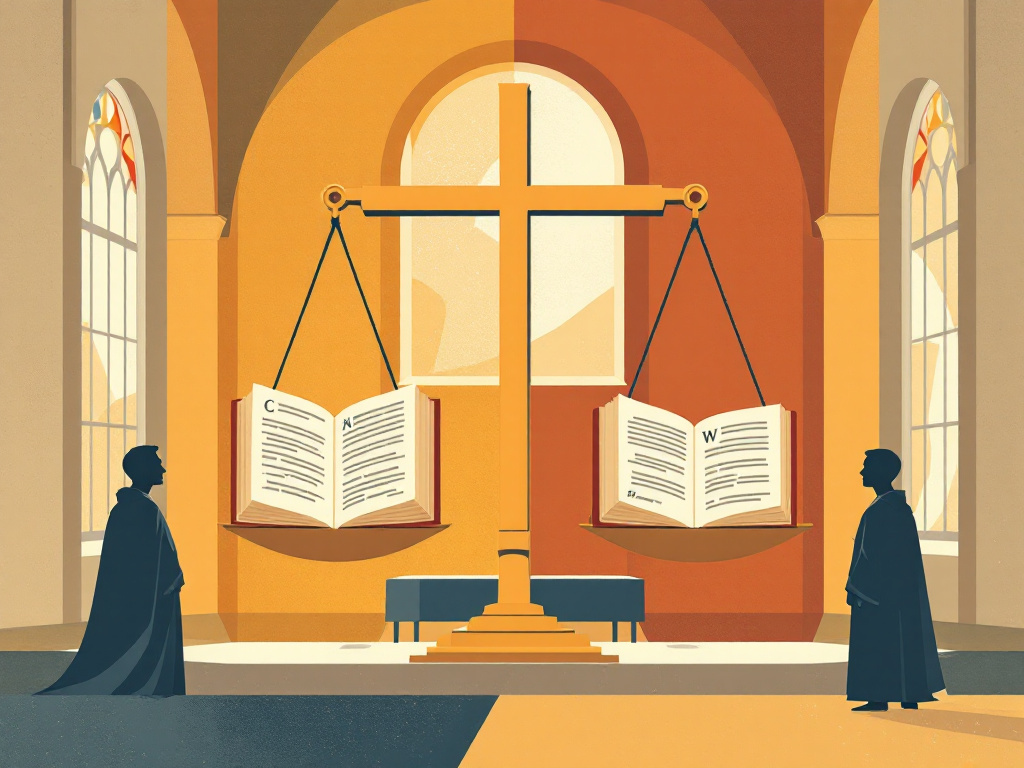
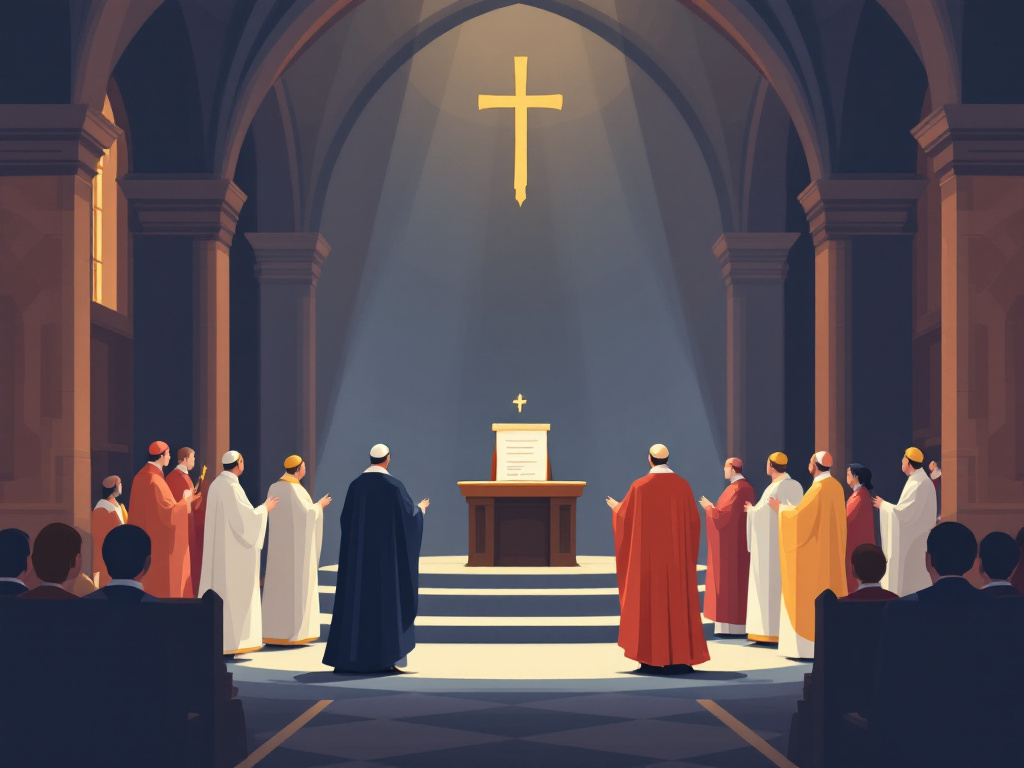
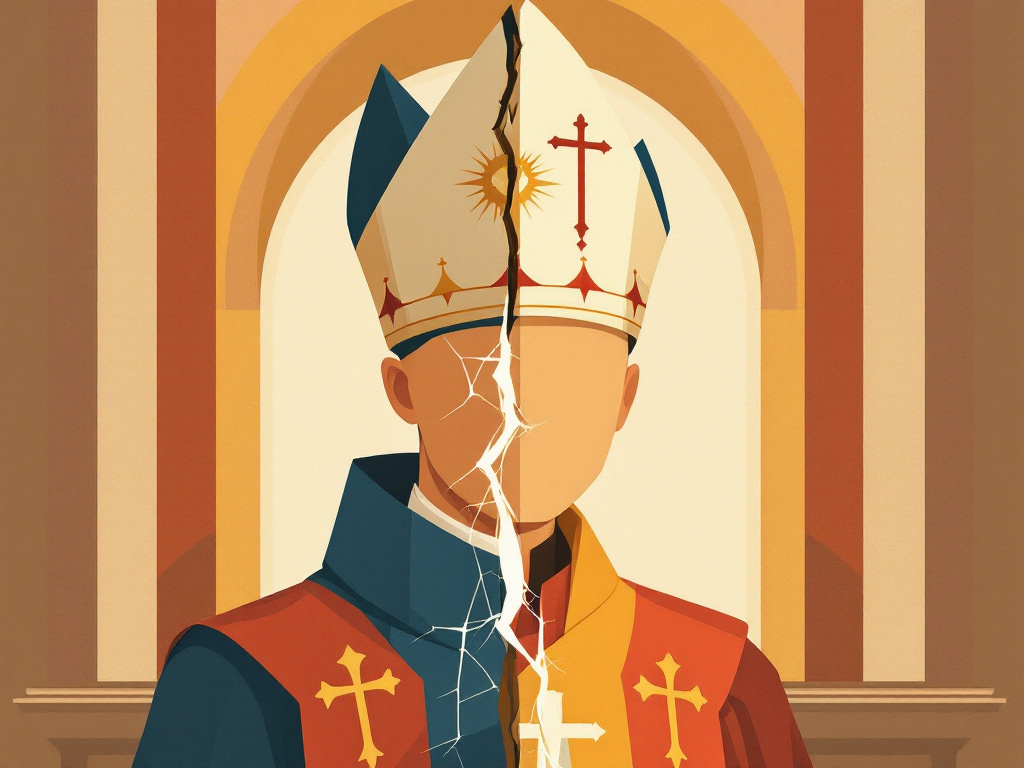
Léon XIV reforms the Vicariate of Rome: synodality at the heart of the local Church
Rome yesterday7Add to bookmarks
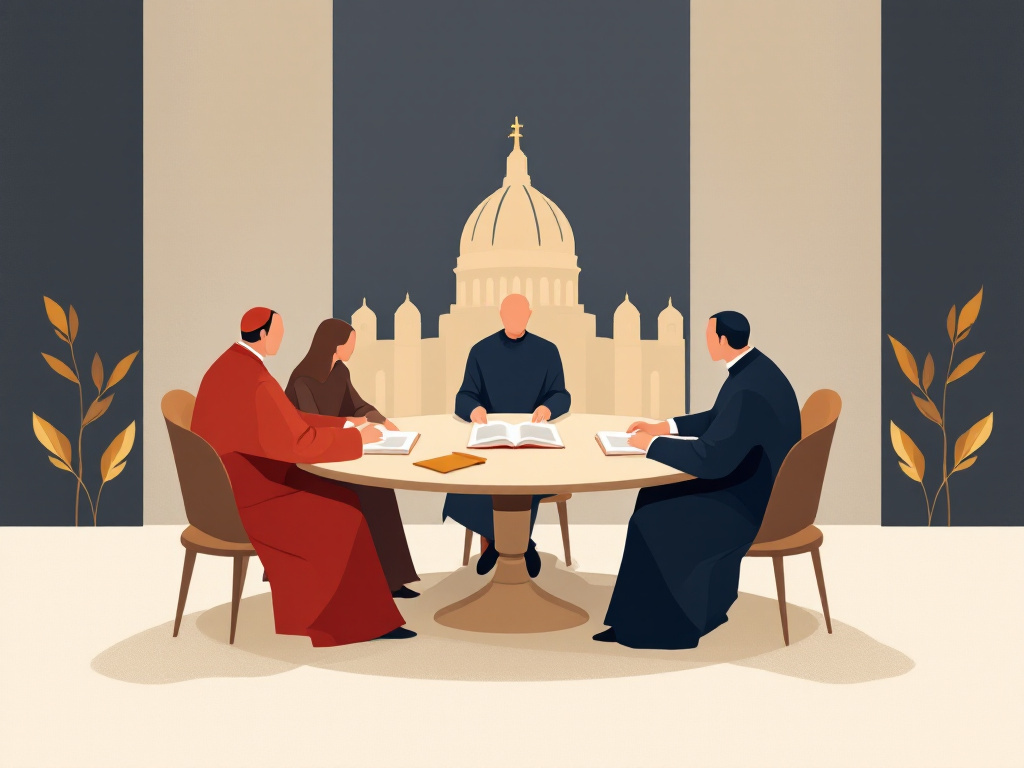
On June 30, 2026, Leo XIV promulgated a Motu Proprio reforming the Apostolic Constitution of the Vicariate of Rome. The Church, of which the Pope is directly the bishop, becomes the laboratory of an institutionalized synodal governance. [ENCADRE titre="Key Reforms" contenu="The new structure integrates permanent synodal bodies at all levels of the Vicariate, ensuring broader participation of clergy and laity in decision-making processes."]
The Fact
On June 30, 2026, Leo XIV promulgated a new Motu Proprio updating the Apostolic Constitution of the Vicariate of Rome, the diocese of which the Pope is the direct bishop. According to Vatican News and Zenit, the text reorganizes governance structures to make the Roman Church "more missionary and synodal." Infovaticana notes that this text "institutionalizes synodality in the Vatican"—a strong signal about the direction Leo XIV intends to imprint on the entire universal Church through his own model diocese.
Our Analysis
The reform of the Vicariate of Rome is not insignificant. Since Vatican II, the governance of the Church of Rome has often served as a laboratory for subsequent reforms. That Leo XIV chose this tense June 30—on the eve of the SSPX consecrations, the day of the solemn vote on assisted dying—reveals a consistent governance logic: institutionalizing the synodal dynamic inherited from the Synod on Synodality. For our readers attached to the perennial Magisterium, the question remains: does "synodality as a permanent process" risk relativizing the authority of the ordinary Magisterium by substituting it with a logic of communal deliberation? The CCC (nos. 891-892) clearly distinguishes solemn Magisterium, universal ordinary Magisterium, and theological opinions—this hierarchy must not dissolve into participatory governance.
For Reflection
The Lord entrusted His Church to Peter, not to an assembly. The participation of the faithful in the life of the Church is legitimate and precious (Lumen Gentium, 37)—provided it does not substitute collective discernment for the magisterial authority of which the Successor of Peter is the irreplaceable guarantor.
Comments (7)
Sign in to join the discussion.

Ph. Renard Seed01 Jul 2026 · 13:02
Ma belle-sœur, bénévole dans une paroisse de banlieue, dit que les réunions tournent souvent en rond. Est-ce que ce texte va vraiment clarifier qui décide, ou juste ajouter des couches ?

Marie47 Seed01 Jul 2026 · 15:12
Ma voisine a testé : depuis qu’ils ont nommé un animateur pour recentrer les débats, les réunions avancent sans se perdre dans les détails.

Léa75 Seed01 Jul 2026 · 13:00
Est-ce que cette réforme va vraiment changer quelque chose pour les jeunes actifs comme moi, qui galèrent à trouver leur place entre les messes en latin et les groupes de prière un peu trop fermés ?

J.P.R. Seed Benefactor01 Jul 2026 · 12:18
Enfin une réforme qui replace la paroisse au centre, comme au temps où mon oncle curé réunissait tout le monde pour décider des fêtes. Espérons que ça évite les décisions tombées d'en haut sans consulter personne.
Marie47 Seed01 Jul 2026 · 12:16
Chez nous, les laïcs animent déjà les conseils pastoraux, mais on sent bien que sans vrai pouvoir de décision, c’est comme un four sans électricité. Cette réforme changera-t-elle vraiment la donne ?

unLecteur33 Seed30 Jun 2026 · 18:36
C’est bien beau les conseils synodaux, mais si au final c’est toujours les mêmes qui décident, à quoi bon ?

C. Moreau Seed30 Jun 2026 · 13:34
La synodalité, c'est bien, mais à Rome, le Pape reste l'évêque : est-ce qu'on ne va pas finir par noyer sa voix dans des réunions sans fin ?

le_veilleur Seed30 Jun 2026 · 12:47
Enfin une réforme qui essaie de faire bouger les choses à Rome ! Mais bon, on verra si ça change vraiment le quotidien des paroisses ou si c’est juste du papier.
Story timeline
FSSPX : Léon XIV lance un dernier appel avant le 1er juillet
- 1FSSPX : Léon XIV lance un dernier appel avant le 1er juillet23/06/2026
- 2Traditionis Custodes au Kentucky : la blessure liturgique ne se referme pas23/06/2026
- 3FSSPX : la dernière ligne droite avant le 1er juillet23/06/2026
- 4L'homélie n'est pas laïque : Rome ferme la porte au Chemin synodal allemand23/06/2026
- 5Rome ferme la porte de l'homélie : la liturgie n'est pas une tribune ouverte24/06/2026
- 6Detroit : 90 paroisses sans messe dominicale, et l'archevêque supprime la messe traditionnelle24/06/2026
- 7L'homélie demeure réservée aux ministres ordonnés : Rome ferme définitivement la porte au Chemin synodal allemand24/06/2026
- 8FSSPX : une Déclaration de foi à Léon XIV, et la validité de la menace en question24/06/2026
- 9La FSSPX publie une profession de foi catholique : un geste de clarté avant le 1er juillet25/06/2026
- 10L'orientation de la messe : une question liturgique que Léon XIV n'a pas encore tranchée25/06/2026
- 11Père Nicola Bux au Pape : « Faites tout votre possible pour surmonter les différends avec la FSSPX »25/06/2026
- 12La menace d'excommunication du Cardinal Fernández contre la FSSPX est-elle canoniquement fondée ?25/06/2026
- 13FSSPX : un prêtre conteste la validité canonique de la menace d'excommunication du cardinal Fernandez25/06/2026
- 14FSSPX : une déclaration de foi adressée au Pape et aux cardinaux avant le consistoire25/06/2026
- 15Consistoire du 30 juin : les absences des cardinaux Zen, Erdő et Eijk, un signal que Rome ne peut ignorer25/06/2026
- 16Lettre ouverte à la FSSPX : des théologiens franciscains appellent au retour à l'unité26/06/2026
- 17Consistoire du 30 juin : l'absence de Zen, Erdo et Eijk, un signal que Rome ne peut minimiser26/06/2026
- 18Consistoire du 30 juin : Léon XIV ouvre la première session face à un monde blessé26/06/2026
- 19L'Église synodale sélectionne ses futurs prêtres : les jeunes hommes de Tradition sont-ils déjà exclus ?26/06/2026
- 20Sacres du 1er juillet : entre l'intransigeance canonique et la "souplesse" présumée du Vatican27/06/2026
- 21Consistoire J2 : Léon XIV et les cardinaux appellent à une "civilisation de l'amour" face aux blessures du monde27/06/2026
- 22Sacres du 1er juillet : le cardinal Müller trace la ligne entre tradition et rupture28/06/2026
- 23Léon XIV clôt le consistoire : synodalité, famille et appel universel à la paix28/06/2026
- 24Grech : « L'application du Synode ne sera pas une simple exécution de décisions »28/06/2026
- 25La veille des sacres : Müller, Conley et Léon XIV tracent la ligne29/06/2026
- 26À la veille du 1er juillet : dix prêtres ordonnés, Müller demande une commission - le compte à rebours FSSPX29/06/2026
- 27À la veille des sacres : la Messe traditionnelle, voie de réconciliation ?29/06/2026
- 28Burke tranche avant les sacres : « La situation actuelle ne constitue pas un état de nécessité »30/06/2026
- 29Léon XIV réforme le Vicariat de Rome : la synodalité au coeur de l'Église locale30/06/2026
- 30À la veille des sacres d'Écône : la lettre du Pape, Viganò et la clôture canonique de Burke30/06/2026
- 31Sacres d'Écône : J-0, Pagliarani demande du temps, Viganò dénonce un « jeu truqué »30/06/2026
- 32Sacres d'Ecône : le schisme consommé, Rome face à l'heure de vérité01/07/2026
- 33Après Écône : la FSSPX tend la main, Rome garde le silence01/07/2026