Pope Leo XIV concludes the consistory: synodality, family, and a universal call for peace
Rome Jun 28, 20264Add to bookmarks
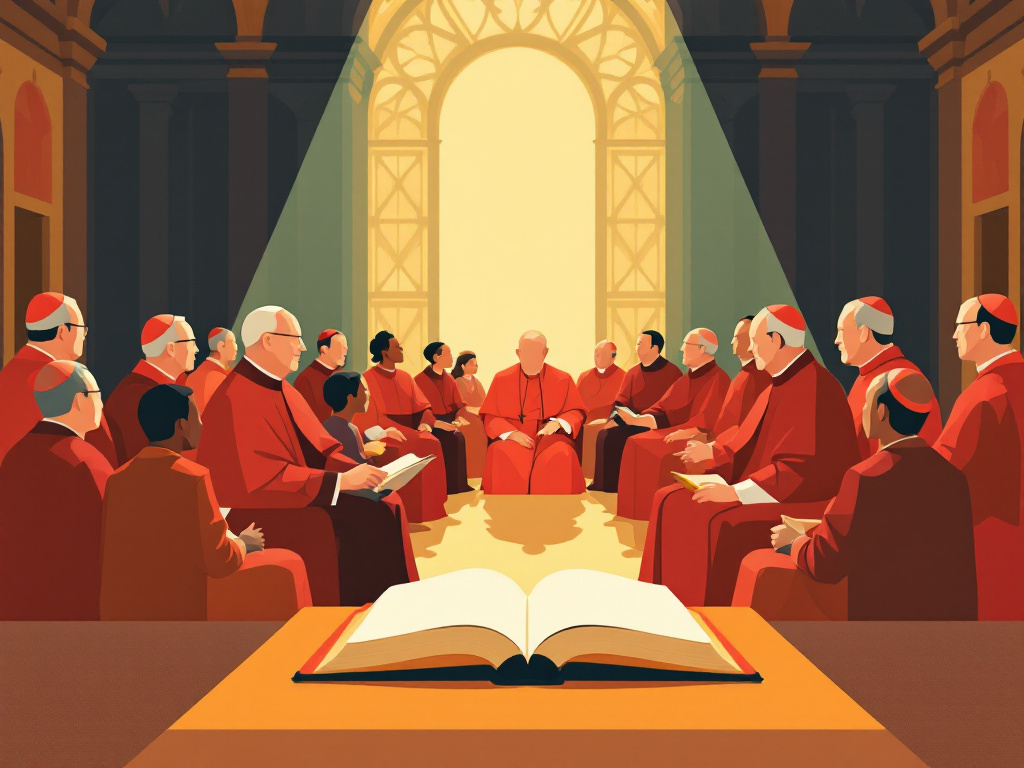
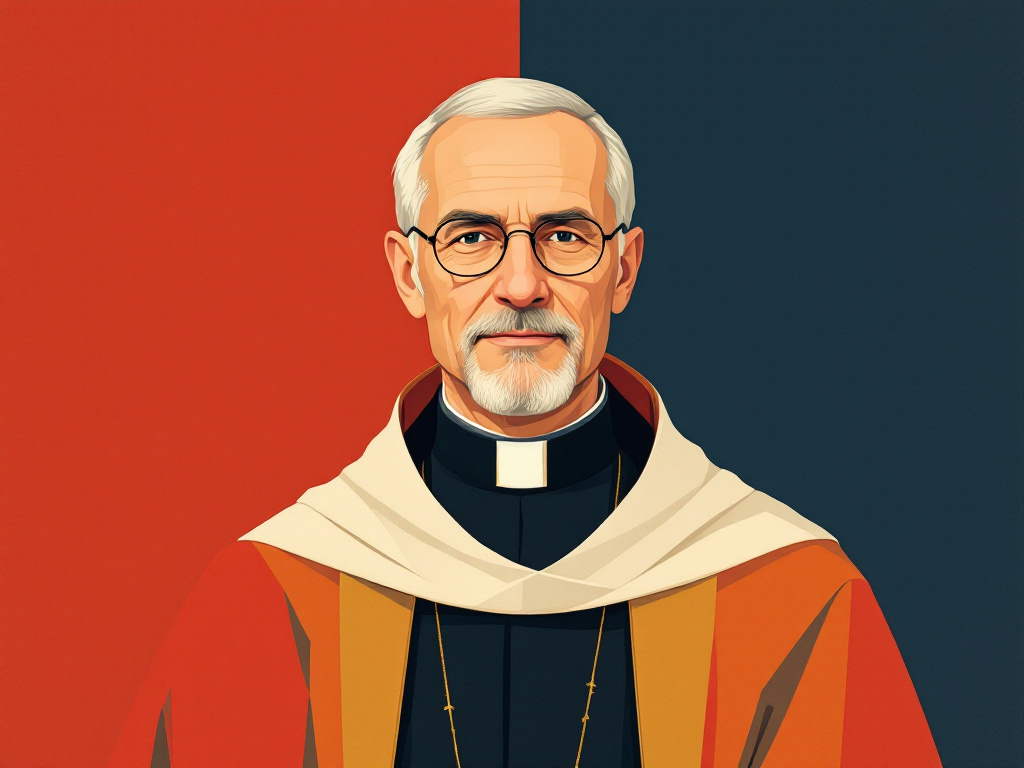
The extraordinary consistory concluded on June 28 with a speech by Leo XIV to the 178 gathered cardinals: he defended synodality as a "path of communion," called for "strong, explicit, and public" support, and announced that the family and *Amoris Laetitia* would be at the heart of the cardinals' gathering in 2027.
The Event
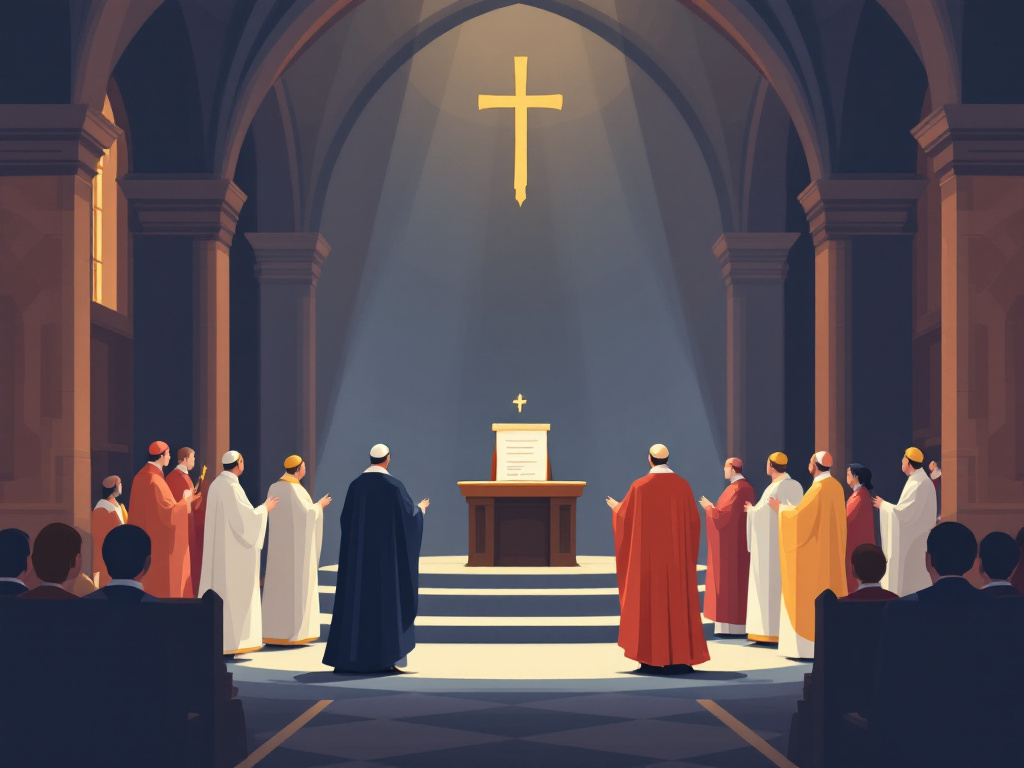
We had followed the opening of the extraordinary consistory on June 26 and its working days on peace, synodality, and the priesthood. On June 28, Leo XIV delivered the closing speech before the 178 cardinals gathered in Rome.
The tone was both demanding and serene. The Pope defended synodality not as an administrative method, but as a "path to communion" rooted in conciliar tradition. Facing the questions raised by the synodal process, he made an unusually direct appeal to the cardinals: "I need your freedom, your frankness, and your loyalty. I need your support: strong, explicit, and public."
Cardinal Grech, the Synod’s rapporteur, clarified that the implementation phase will not be "a simple execution of decisions" but a process of discernment. Leo XIV announced that the 2027 gathering of cardinals will focus on the family and Amoris Laetitia—signaling that the pontificate intends to extend the reflection initiated under Francis on family pastoral care.
On international peace, the Pope declared: "God desires peace for every nation and every people. Violence will not have the last word."
Our Analysis
In its form, the extraordinary consistory was a demonstration of collegiality. In substance, it laid the groundwork for a pontificate that seeks to combine fidelity to post-conciliar synodality with strong governance—presenting the two as complementary, not contradictory.
The announcement of the 2027 theme (family and Amoris Laetitia) deserves attention. It signifies that Leo XIV is not deviating from Francis’ orientations on family pastoral care but intends to give them new collegial momentum. Questions on marriage, the family, and the pastoral care of irregular situations will thus remain at the heart of ecclesial debate.
As for peace, the Pope’s words resonate differently depending on the conflicts we follow: peace in Ukraine, in the Holy Land, in sub-Saharan Africa. A universal appeal that does not name culprits but engages the moral responsibility of all powers.
For Reflection
A sincere counsel is always an act of communion,
Comments (4)
Sign in to join the discussion.

unLecteur33 Seed29 Jun 2026 · 07:29
Le Pape a raison de dire que la synodalité, c’est d’abord une question de communion, mais est-ce que ça change vraiment quelque chose sur le terrain ? Ou c’est juste un mot pour faire passer des décisions déjà prises ?

Clémence R. Seed29 Jun 2026 · 05:45
La synodalité, c'est bien, mais sans règles claires, ça reste du vent. On a déjà vu des bonnes intentions s'enliser dans les lourdeurs de l'Église.

Marie47 Seed28 Jun 2026 · 14:42
Dans ma petite paroisse, on discute depuis un an pour déplacer l’heure de la messe du dimanche… La synodalité, c’est beau sur le papier, mais comment éviter que ça ne devienne juste une autre réunion qui s’enlise ?

Ph. Renard Seed28 Jun 2026 · 07:13
Le Pape a raison de rappeler que la synodalité, c’est pas une réunion de plus. Mais concrètement, dans ma paroisse, on voit pas encore la différence.
Story timeline
FSSPX : Léon XIV lance un dernier appel avant le 1er juillet
- 1FSSPX : Léon XIV lance un dernier appel avant le 1er juillet23/06/2026
- 2Traditionis Custodes au Kentucky : la blessure liturgique ne se referme pas23/06/2026
- 3FSSPX : la dernière ligne droite avant le 1er juillet23/06/2026
- 4L'homélie n'est pas laïque : Rome ferme la porte au Chemin synodal allemand23/06/2026
- 5Rome ferme la porte de l'homélie : la liturgie n'est pas une tribune ouverte24/06/2026
- 6Detroit : 90 paroisses sans messe dominicale, et l'archevêque supprime la messe traditionnelle24/06/2026
- 7L'homélie demeure réservée aux ministres ordonnés : Rome ferme définitivement la porte au Chemin synodal allemand24/06/2026
- 8FSSPX : une Déclaration de foi à Léon XIV, et la validité de la menace en question24/06/2026
- 9La FSSPX publie une profession de foi catholique : un geste de clarté avant le 1er juillet25/06/2026
- 10L'orientation de la messe : une question liturgique que Léon XIV n'a pas encore tranchée25/06/2026
- 11Père Nicola Bux au Pape : « Faites tout votre possible pour surmonter les différends avec la FSSPX »25/06/2026
- 12La menace d'excommunication du Cardinal Fernández contre la FSSPX est-elle canoniquement fondée ?25/06/2026
- 13FSSPX : un prêtre conteste la validité canonique de la menace d'excommunication du cardinal Fernandez25/06/2026
- 14FSSPX : une déclaration de foi adressée au Pape et aux cardinaux avant le consistoire25/06/2026
- 15Consistoire du 30 juin : les absences des cardinaux Zen, Erdő et Eijk, un signal que Rome ne peut ignorer25/06/2026
- 16Lettre ouverte à la FSSPX : des théologiens franciscains appellent au retour à l'unité26/06/2026
- 17Consistoire du 30 juin : l'absence de Zen, Erdo et Eijk, un signal que Rome ne peut minimiser26/06/2026
- 18Consistoire du 30 juin : Léon XIV ouvre la première session face à un monde blessé26/06/2026
- 19L'Église synodale sélectionne ses futurs prêtres : les jeunes hommes de Tradition sont-ils déjà exclus ?26/06/2026
- 20Sacres du 1er juillet : entre l'intransigeance canonique et la "souplesse" présumée du Vatican27/06/2026
- 21Consistoire J2 : Léon XIV et les cardinaux appellent à une "civilisation de l'amour" face aux blessures du monde27/06/2026
- 22Sacres du 1er juillet : le cardinal Müller trace la ligne entre tradition et rupture28/06/2026
- 23Léon XIV clôt le consistoire : synodalité, famille et appel universel à la paix28/06/2026
- 24Grech : « L'application du Synode ne sera pas une simple exécution de décisions »28/06/2026
- 25La veille des sacres : Müller, Conley et Léon XIV tracent la ligne29/06/2026
- 26À la veille du 1er juillet : dix prêtres ordonnés, Müller demande une commission - le compte à rebours FSSPX29/06/2026
- 27À la veille des sacres : la Messe traditionnelle, voie de réconciliation ?29/06/2026
- 28Burke tranche avant les sacres : « La situation actuelle ne constitue pas un état de nécessité »30/06/2026
- 29Léon XIV réforme le Vicariat de Rome : la synodalité au coeur de l'Église locale30/06/2026
- 30À la veille des sacres d'Écône : la lettre du Pape, Viganò et la clôture canonique de Burke30/06/2026
- 31Sacres d'Écône : J-0, Pagliarani demande du temps, Viganò dénonce un « jeu truqué »30/06/2026
- 32Sacres d'Ecône : le schisme consommé, Rome face à l'heure de vérité01/07/2026
- 33Après Écône : la FSSPX tend la main, Rome garde le silence01/07/2026