On the Eve of Coronations: The Traditional Mass, a Path to Reconciliation?
RomeMembers only yesterday6Add to bookmarks

Il Giornale argues for the expansion of the Mass of Saint Pius V to ease the FSSPX crisis. Cardinal Bustillo emphasizes that this liturgy is not an attack on unity. Analysis by Abbé Grégoire Masson, two days before the consecrations of Écône.
Context
We had reported on the ordinations of June 27 in Zaitzkofen and June 29 in Écône—ten priests ordained on the eve of the episcopal consecrations of July 1. The SSPX demonstrates its vitality; Rome observes. It is in this context that two notable positions deserve analysis: the newspaper Il Giornale, which argues for the expansion of the Traditional Mass as a path to reconciliation, and Cardinal François-Xavier Bustillo, who reminds us that this liturgy is not a threat to ecclesial unity.
The Facts
According to LifeSiteNews, the newspaper Il Giornale calls for the expansion of the Mass in its extraordinary form as a means to durably ease tensions between Rome and the Society of Saint Pius X. Simultaneously, Cardinal François-Xavier Bustillo publicly declares that the Traditional Mass "is not an attack on unity or the Church." These statements come after Cardinal Müller's call—following the consistory—for a special Vatican commission tasked with welcoming those seeking full communion without requiring doctrinal renunciation.
Doctrinal Analysis
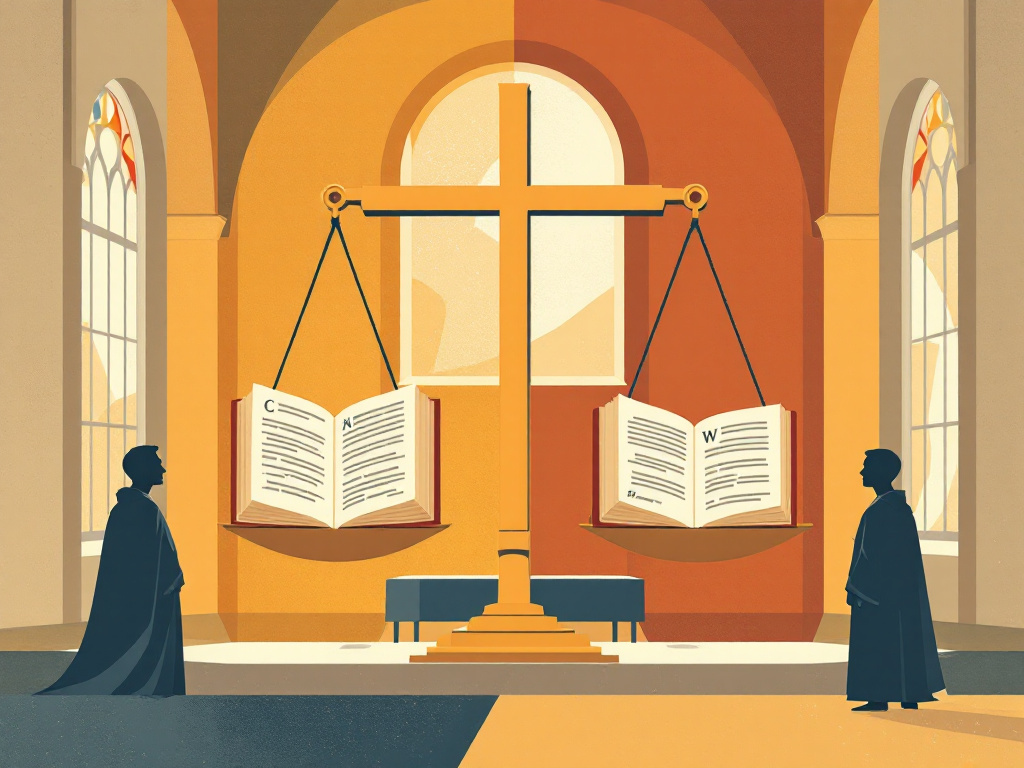
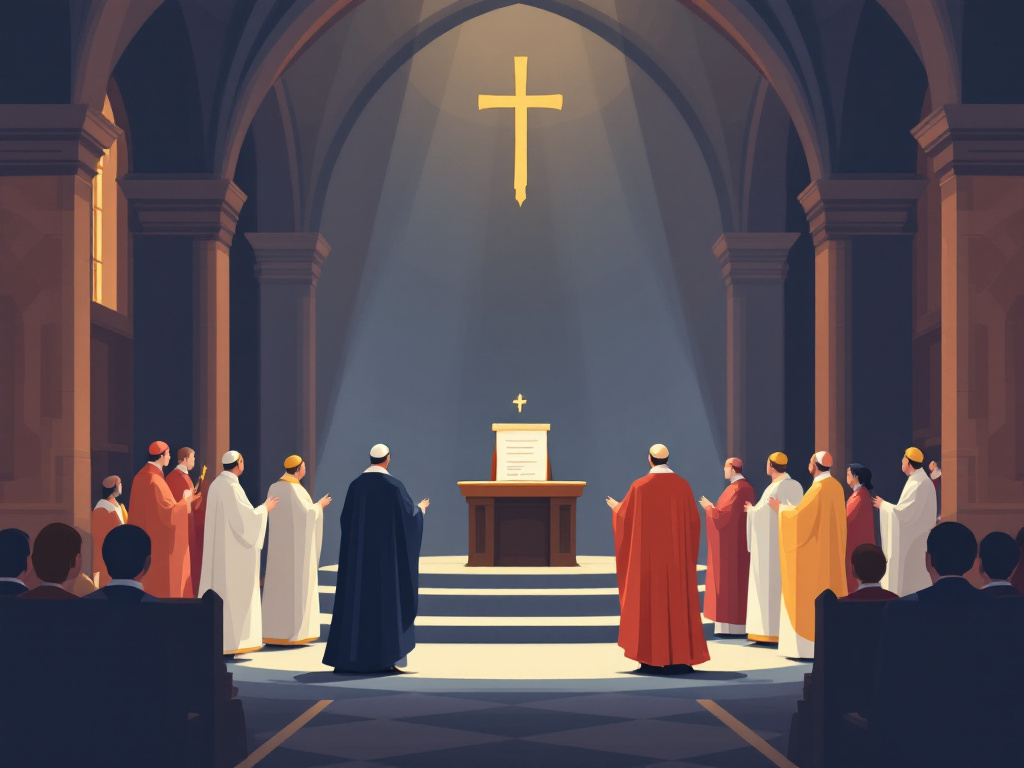
The liturgical question is inseparable from the canonical and theological question. The motu proprio Summorum Pontificum (Benedict XVI, 2007) had recognized that the Tridentine rite was never abrogated and that it remained an extraordinary form of the Roman rite. Traditionis Custodes (Francis, 2021) restricted its use but did not suppress it. Cardinal Bustillo's position aligns with that of Benedict XVI in his letter to the bishops of the world (July 7, 2007): the old Mass, far from dividing, can be a factor of unity if lived in communion with the Successor of Peter.
Canon law is clear on this point. Can. 214 CIC guarantees every faithful the right to a liturgical rite properly approved by legitimate authority. This right cannot be invoked to justify a break in communion—but it grounds a legitimate claim that Rome can satisfy without doctrinal concession.
Stakes for the Church and the Faithful
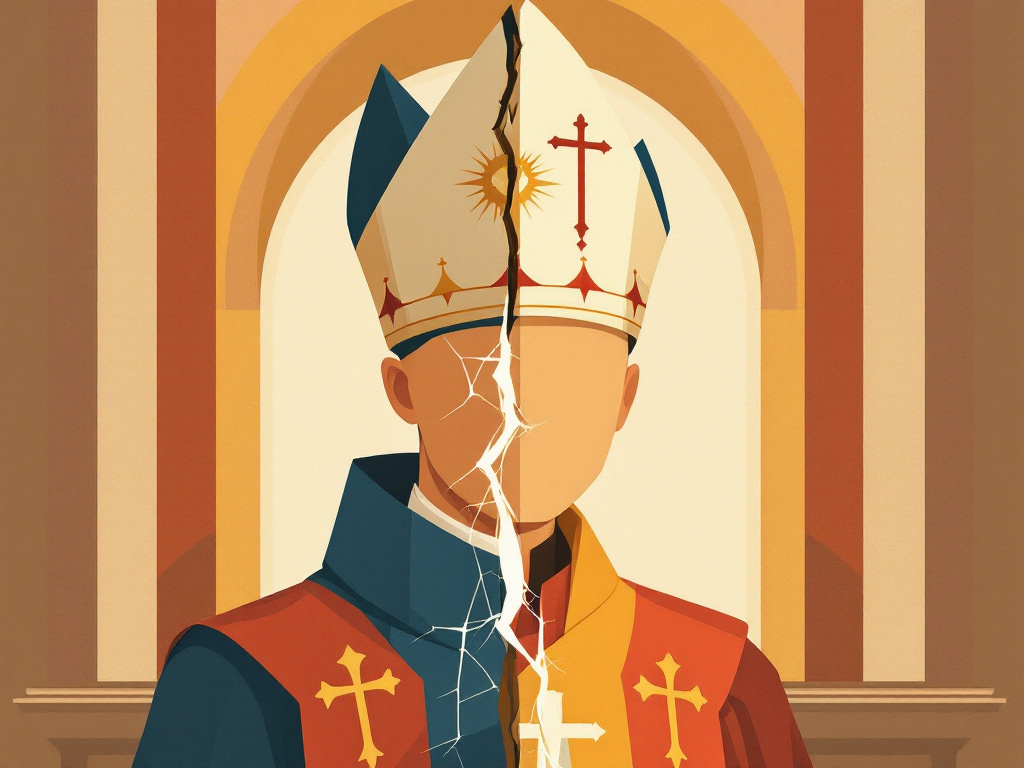
The consecrations of July 1 are canonically serious. They repeat the schism of 1988, aggravated by the context of a pontificate that has extended a hand. If Rome does not respond with a concrete liturgical gesture—expansion of the Traditional Mass, a reconciliation commission—the crisis will become chronic. The faithful attached to the ancient liturgical form find themselves in a difficult position: neither fully recognized by Rome nor willing to break with it. The Church in France includes several tens of thousands of these faithful; their pastoral abandonment would be a real loss.
Critical Reading and Blind Spots
Il Giornale's argument—that the expansion of the rite would be an appeasing measure—is appealing but incomplete. The SSPX does not primarily demand a liturgy; it raises doctrinal questions about Vatican II, religious freedom, and ecumenism. No liturgical concession will resolve an unresolved doctrinal disagreement. The commission proposed by Cardinal Müller would be more fruitful if it also addressed the theological substance—rigorously distinguishing, as Catholic theology does, what pertains to the universal ordinary Magisterium, what pertains to the authentic but non-infallible Magisterium, and what pertains to the personal opinion of the Pontiff.
To Reflect and Act
Pray for the visible unity of the Church, according to Christ's wish in John 17:21: "That they may all be one." Read or reread Benedict XVI's letter to the bishops of the world from July 2007—a text of reconciliation that remains strikingly relevant, showing that it is possible to love both the liturgical tradition and Roman communion.
Content reserved for members
Create a free account to access all our content and the weekly review.
Comments (6)
Sign in to join the discussion.

C. Moreau Seed01 Jul 2026 · 14:41
Ma grand-mère, qui allait à la messe de Pie V avant Vatican II, disait toujours : 'On comprenait rien, mais on sentait que c’était sacré.' Est-ce que le silence peut vraiment réconcilier, ou est-ce qu’il creuse juste un autre fossé ?

Th. Aubry Seed01 Jul 2026 · 17:00
Le silence unit ceux qui l’écoutent, mais il exclut ceux qui n’en ont pas la clé.

le_veilleur Seed01 Jul 2026 · 17:14
Le silence peut aussi être une langue quand on y cherche autre chose que des mots, non ?

Cla1re Seed Benefactor30 Jun 2026 · 05:55
Le grégorien, c’est vrai, ça touche directement. Mais bon, on est quand même là pour prier, pas pour faire un concours de beauté. Après, si ça peut aider à se parler sans s’engueuler…

Clémence R. Seed30 Jun 2026 · 05:06
La messe en latin, c’est bien, mais est-ce que ça parle vraiment à tous les fidèles ? Chez nous, en Afrique, on a du mal à suivre.

Ph. Renard Seed29 Jun 2026 · 17:25
C’est bien joli de parler de réconciliation, mais entre Écône et Rome, les malentendus ne datent pas d’hier. Un rite commun suffira-t-il à effacer des décennies de méfiance ?

J.P.R. Seed Benefactor30 Jun 2026 · 07:22
Un rite commun, c’est bien, mais ça ne résoudra pas tout. Les vieilles blessures, ça ne s’efface pas avec une messe, même en latin.

Marie47 Seed29 Jun 2026 · 17:24
Chez nous, on a des messes en latin et en français dans la même paroisse. Le café après, c'est là qu'on se parle vraiment, sans se juger sur la forme.
Th. Aubry Seed29 Jun 2026 · 17:08
Le cardinal a tout à fait raison : la messe traditionnelle n’est pas un problème, c’est une richesse. Chez nous en Bretagne, on la vit comme ça depuis toujours, sans drame.
Story timeline
FSSPX : Léon XIV lance un dernier appel avant le 1er juillet
- 1FSSPX : Léon XIV lance un dernier appel avant le 1er juillet23/06/2026
- 2Traditionis Custodes au Kentucky : la blessure liturgique ne se referme pas23/06/2026
- 3FSSPX : la dernière ligne droite avant le 1er juillet23/06/2026
- 4L'homélie n'est pas laïque : Rome ferme la porte au Chemin synodal allemand23/06/2026
- 5Rome ferme la porte de l'homélie : la liturgie n'est pas une tribune ouverte24/06/2026
- 6Detroit : 90 paroisses sans messe dominicale, et l'archevêque supprime la messe traditionnelle24/06/2026
- 7L'homélie demeure réservée aux ministres ordonnés : Rome ferme définitivement la porte au Chemin synodal allemand24/06/2026
- 8FSSPX : une Déclaration de foi à Léon XIV, et la validité de la menace en question24/06/2026
- 9La FSSPX publie une profession de foi catholique : un geste de clarté avant le 1er juillet25/06/2026
- 10L'orientation de la messe : une question liturgique que Léon XIV n'a pas encore tranchée25/06/2026
- 11Père Nicola Bux au Pape : « Faites tout votre possible pour surmonter les différends avec la FSSPX »25/06/2026
- 12La menace d'excommunication du Cardinal Fernández contre la FSSPX est-elle canoniquement fondée ?25/06/2026
- 13FSSPX : un prêtre conteste la validité canonique de la menace d'excommunication du cardinal Fernandez25/06/2026
- 14FSSPX : une déclaration de foi adressée au Pape et aux cardinaux avant le consistoire25/06/2026
- 15Consistoire du 30 juin : les absences des cardinaux Zen, Erdő et Eijk, un signal que Rome ne peut ignorer25/06/2026
- 16Lettre ouverte à la FSSPX : des théologiens franciscains appellent au retour à l'unité26/06/2026
- 17Consistoire du 30 juin : l'absence de Zen, Erdo et Eijk, un signal que Rome ne peut minimiser26/06/2026
- 18Consistoire du 30 juin : Léon XIV ouvre la première session face à un monde blessé26/06/2026
- 19L'Église synodale sélectionne ses futurs prêtres : les jeunes hommes de Tradition sont-ils déjà exclus ?26/06/2026
- 20Sacres du 1er juillet : entre l'intransigeance canonique et la "souplesse" présumée du Vatican27/06/2026
- 21Consistoire J2 : Léon XIV et les cardinaux appellent à une "civilisation de l'amour" face aux blessures du monde27/06/2026
- 22Sacres du 1er juillet : le cardinal Müller trace la ligne entre tradition et rupture28/06/2026
- 23Léon XIV clôt le consistoire : synodalité, famille et appel universel à la paix28/06/2026
- 24Grech : « L'application du Synode ne sera pas une simple exécution de décisions »28/06/2026
- 25La veille des sacres : Müller, Conley et Léon XIV tracent la ligne29/06/2026
- 26À la veille du 1er juillet : dix prêtres ordonnés, Müller demande une commission - le compte à rebours FSSPX29/06/2026
- 27À la veille des sacres : la Messe traditionnelle, voie de réconciliation ?29/06/2026
- 28Burke tranche avant les sacres : « La situation actuelle ne constitue pas un état de nécessité »30/06/2026
- 29Léon XIV réforme le Vicariat de Rome : la synodalité au coeur de l'Église locale30/06/2026
- 30À la veille des sacres d'Écône : la lettre du Pape, Viganò et la clôture canonique de Burke30/06/2026
- 31Sacres d'Écône : J-0, Pagliarani demande du temps, Viganò dénonce un « jeu truqué »30/06/2026
- 32Sacres d'Ecône : le schisme consommé, Rome face à l'heure de vérité01/07/2026
- 33Après Écône : la FSSPX tend la main, Rome garde le silence01/07/2026