The homily is not secular: Rome closes the door to the German Synodal Way
RomeMembers only Jun 23, 20263Add to bookmarks
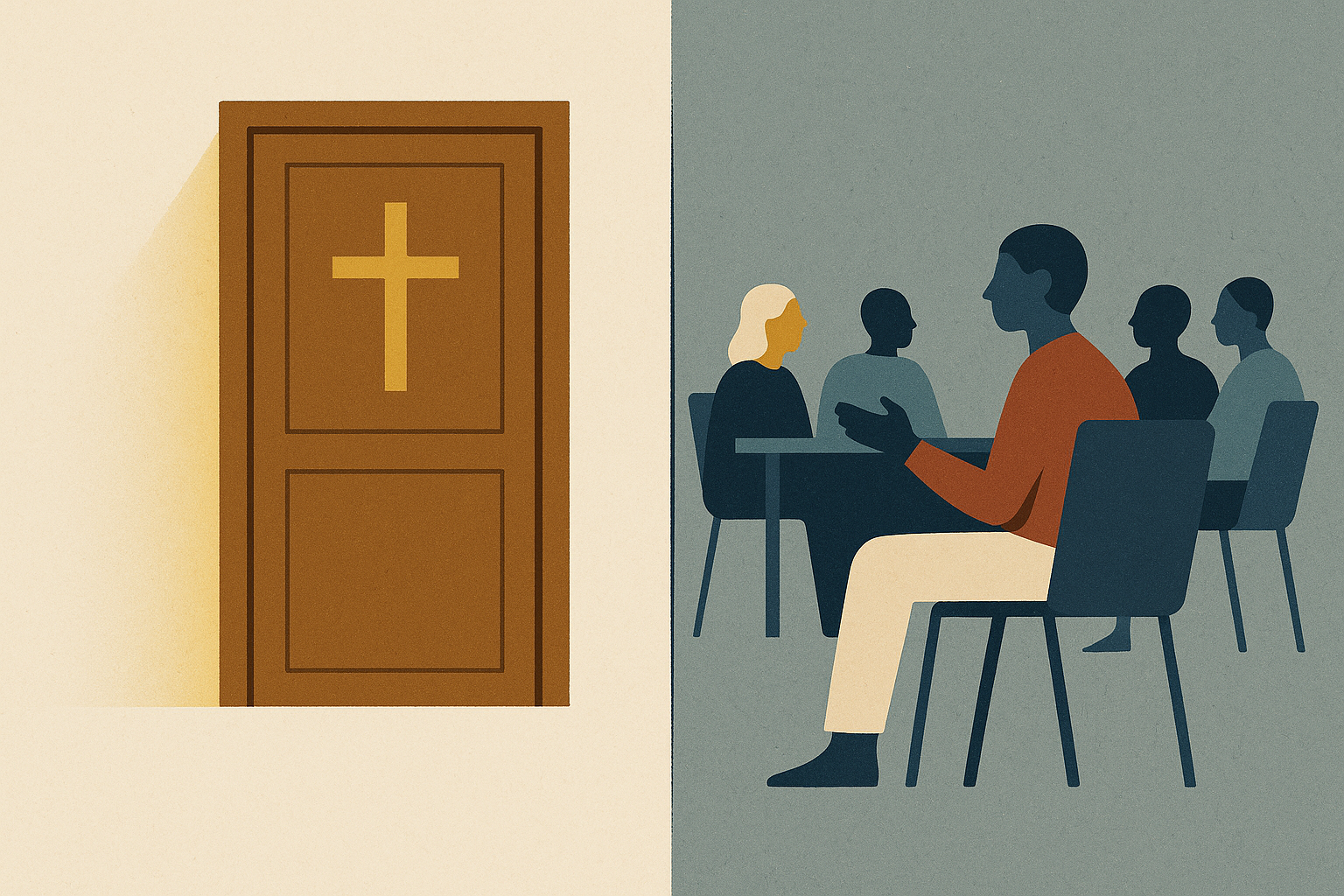
The Dicastery for Divine Worship ruled on June 23, 2026: laypeople cannot preach during Mass. A decision that puts an end, "for a generation," to the standoff with the German Bishops' Conference—and serves as a reminder that liturgy is not negotiated in committee.
Context
We had been following the dossier of the SSPX and the appeal of Leo XIV before July 1. The Roman decision of June 23, 2026, on lay homilies falls within the same thread: that of a Church which, under Leo XIV, reaffirms doctrinal lines where they had been blurred by ecclesiological progressivism.
Facts
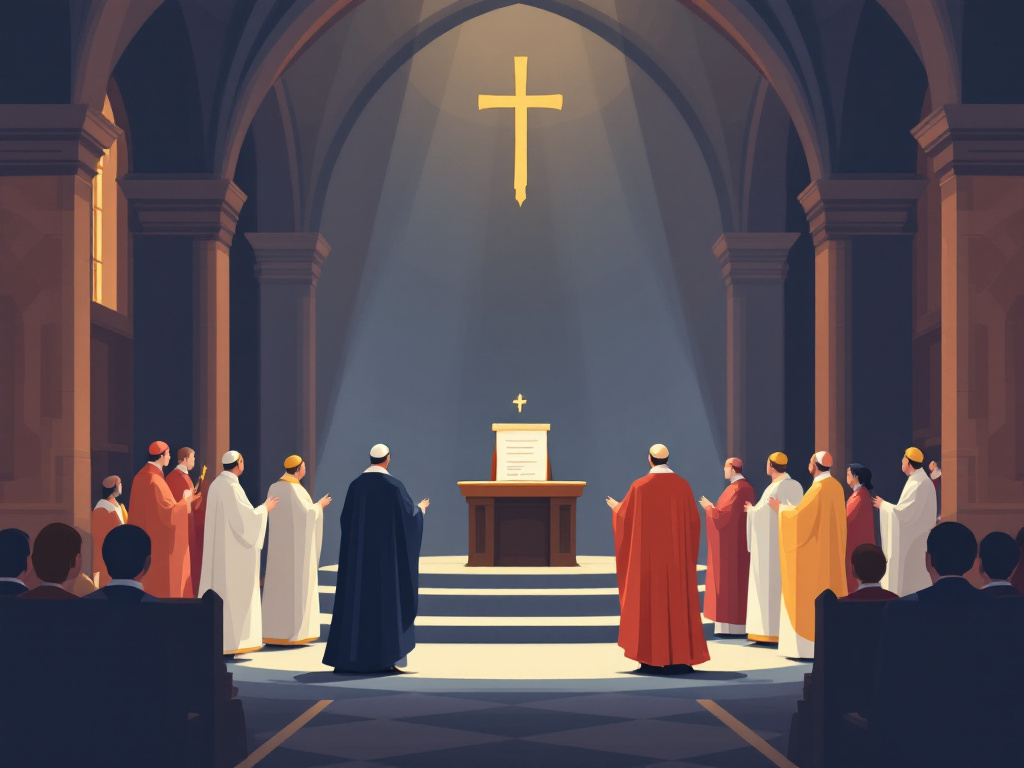
On June 23, 2026, the Dicastery for Divine Worship and the Discipline of the Sacraments published a statement summarizing a letter addressed to Bishop Heiner Wilmer, president of the German Bishops' Conference. The German bishops had requested, in March 2026, permission to allow lay people to preach during Mass as part of the Synodal Path (Synodaler Weg). The dicastery's response: no. "The door is closed for a generation," confided a Vatican source to La Croix (June 23, 2026). In the same move, Leo XIV publicly addressed the question of Vatican II, rejecting readings that would make it a break with Tradition (Le Salon Beige, June 23, 2026).
Doctrinal Analysis
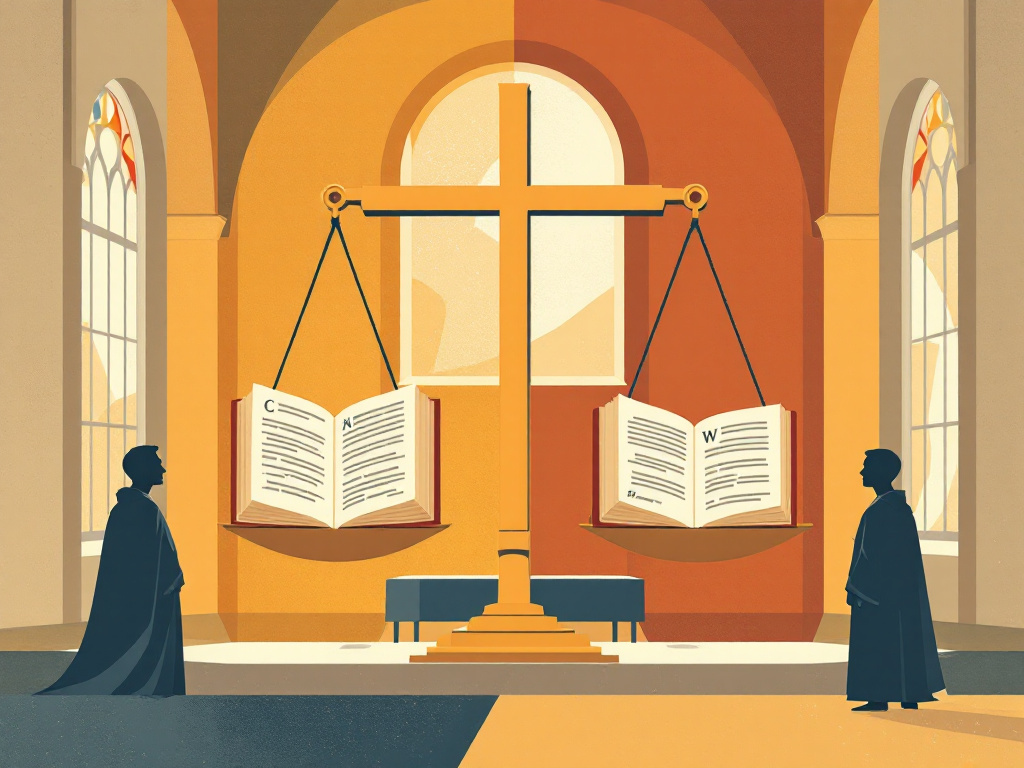
Liturgical law is clear. Canon 767 §1 of the Code of Canon Law stipulates that "the homily is reserved to the priest or deacon." The Congregation for the Clergy had already recalled in 1997, in the Instruction Ecclesiae de mysterio, that this reservation is not due to contingent discipline but to the very nature of the homily, which extends the priestly act of proclaiming the Word. What Rome rejects is not the competence of lay people to bear witness: it is the confusion of ministries which, since the Fathers of the Church, structures the liturgical life of the community.
The German Synodal Path had made this request a symbol of a grassroots reform of the Church. The Roman decision reminds us that the liturgy, forma fidei, is not a field for institutional experimentation.
Stakes for the Church and the Faithful
The phrase "closed for a generation" carries significant weight. It means that Rome does not yield to media or institutional pressure, but it also indicates that the question is not theologically closed forever. The faithful attached to the liturgy as a properly priestly act will find in this decision a confirmation of Leo XIV's magisterial coherence.
Critical Reading and Blind Spots
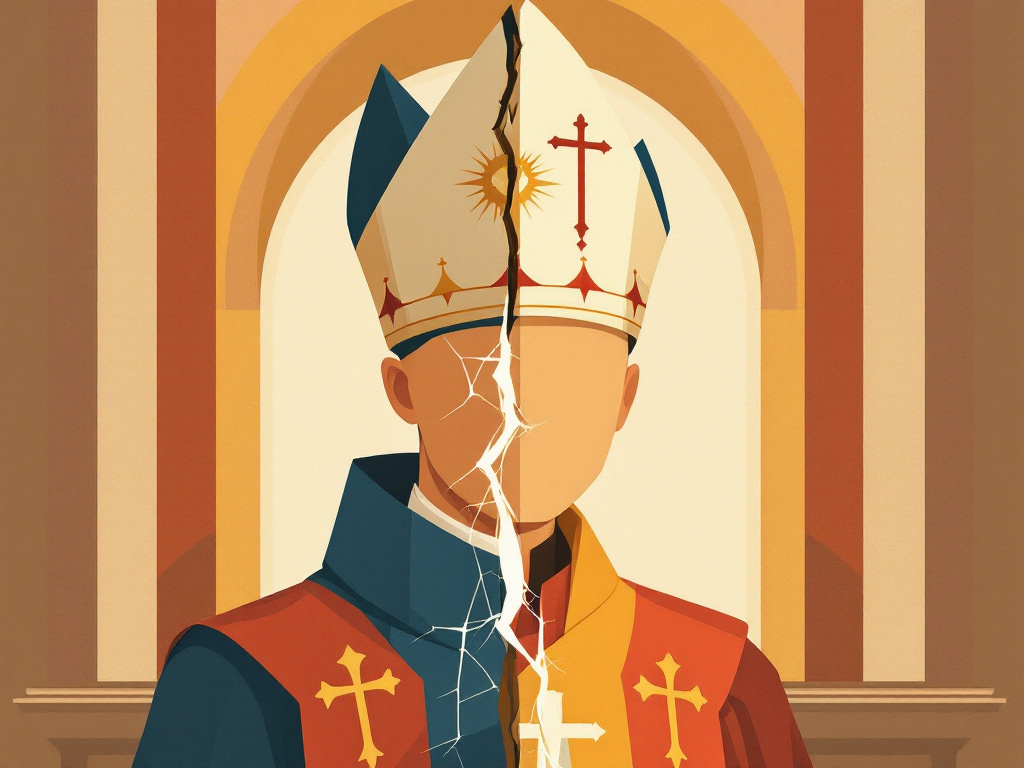
How will the German Church, structurally secularized and financially dependent on the church tax (Kirchensteuer), absorb this refusal without provoking an institutional crisis? Rome has said no, but pastoral follow-up remains to be built. The risk of de facto autonomy for the German Church remains real.
To Ponder and Act
"You have received one Lord, one faith, one baptism" (Eph 4:5). The unity of the Church is not negotiated in committee. Supporting the German bishops who resist internal pressure is an act of concrete communion; praying for their courage is a duty of ecclesial solidarity.
- **June 23, 2026**: Vatican rejects lay homilies in Germany.
- **Canon 767 §1**: Homily reserved to priests and deacons.
- **Synodal Path**: Symbol of grassroots reform demands.
- **Leo XIV**: Reaffirms continuity with Tradition.
Content reserved for members
Create a free account to access all our content and the weekly review.
Comments (3)
Sign in to join the discussion.

le_sceptique 25 Jun 2026 · 14:52
On dirait que Rome a choisi son camp : la tradition plutôt que les compromis. Dommage pour ceux qui espéraient un peu plus de souplesse.

sophie.b 24 Jun 2026 · 19:19
C’est un peu triste, cette décision. On a l’impression que Rome préfère tout verrouiller plutôt que de faire confiance aux laïcs.

passionné_eco 24 Jun 2026 · 12:09
Dommage, cette décision donne l’impression qu’on veut tout contrôler plutôt que de faire confiance aux fidèles. On dirait qu’on fait un pas en arrière.
Story timeline
FSSPX : Léon XIV lance un dernier appel avant le 1er juillet
- 1FSSPX : Léon XIV lance un dernier appel avant le 1er juillet23/06/2026
- 2Traditionis Custodes au Kentucky : la blessure liturgique ne se referme pas23/06/2026
- 3FSSPX : la dernière ligne droite avant le 1er juillet23/06/2026
- 4L'homélie n'est pas laïque : Rome ferme la porte au Chemin synodal allemand23/06/2026
- 5Rome ferme la porte de l'homélie : la liturgie n'est pas une tribune ouverte24/06/2026
- 6Detroit : 90 paroisses sans messe dominicale, et l'archevêque supprime la messe traditionnelle24/06/2026
- 7L'homélie demeure réservée aux ministres ordonnés : Rome ferme définitivement la porte au Chemin synodal allemand24/06/2026
- 8FSSPX : une Déclaration de foi à Léon XIV, et la validité de la menace en question24/06/2026
- 9La FSSPX publie une profession de foi catholique : un geste de clarté avant le 1er juillet25/06/2026
- 10L'orientation de la messe : une question liturgique que Léon XIV n'a pas encore tranchée25/06/2026
- 11Père Nicola Bux au Pape : « Faites tout votre possible pour surmonter les différends avec la FSSPX »25/06/2026
- 12La menace d'excommunication du Cardinal Fernández contre la FSSPX est-elle canoniquement fondée ?25/06/2026
- 13FSSPX : un prêtre conteste la validité canonique de la menace d'excommunication du cardinal Fernandez25/06/2026
- 14FSSPX : une déclaration de foi adressée au Pape et aux cardinaux avant le consistoire25/06/2026
- 15Consistoire du 30 juin : les absences des cardinaux Zen, Erdő et Eijk, un signal que Rome ne peut ignorer25/06/2026
- 16Lettre ouverte à la FSSPX : des théologiens franciscains appellent au retour à l'unité26/06/2026
- 17Consistoire du 30 juin : l'absence de Zen, Erdo et Eijk, un signal que Rome ne peut minimiser26/06/2026
- 18Consistoire du 30 juin : Léon XIV ouvre la première session face à un monde blessé26/06/2026
- 19L'Église synodale sélectionne ses futurs prêtres : les jeunes hommes de Tradition sont-ils déjà exclus ?26/06/2026
- 20Sacres du 1er juillet : entre l'intransigeance canonique et la "souplesse" présumée du Vatican27/06/2026
- 21Consistoire J2 : Léon XIV et les cardinaux appellent à une "civilisation de l'amour" face aux blessures du monde27/06/2026
- 22Sacres du 1er juillet : le cardinal Müller trace la ligne entre tradition et rupture28/06/2026
- 23Léon XIV clôt le consistoire : synodalité, famille et appel universel à la paix28/06/2026
- 24Grech : « L'application du Synode ne sera pas une simple exécution de décisions »28/06/2026
- 25La veille des sacres : Müller, Conley et Léon XIV tracent la ligne29/06/2026
- 26À la veille du 1er juillet : dix prêtres ordonnés, Müller demande une commission - le compte à rebours FSSPX29/06/2026
- 27À la veille des sacres : la Messe traditionnelle, voie de réconciliation ?29/06/2026
- 28Burke tranche avant les sacres : « La situation actuelle ne constitue pas un état de nécessité »30/06/2026
- 29Léon XIV réforme le Vicariat de Rome : la synodalité au coeur de l'Église locale30/06/2026
- 30À la veille des sacres d'Écône : la lettre du Pape, Viganò et la clôture canonique de Burke30/06/2026
- 31Sacres d'Écône : J-0, Pagliarani demande du temps, Viganò dénonce un « jeu truqué »30/06/2026
- 32Sacres d'Ecône : le schisme consommé, Rome face à l'heure de vérité01/07/2026
- 33Après Écône : la FSSPX tend la main, Rome garde le silence01/07/2026