Sudan: The Siege of El Obeid, a Threat of Mass Atrocities Against Civilians and Christians
MondeMembers only Jun 23, 20260Add to bookmarks
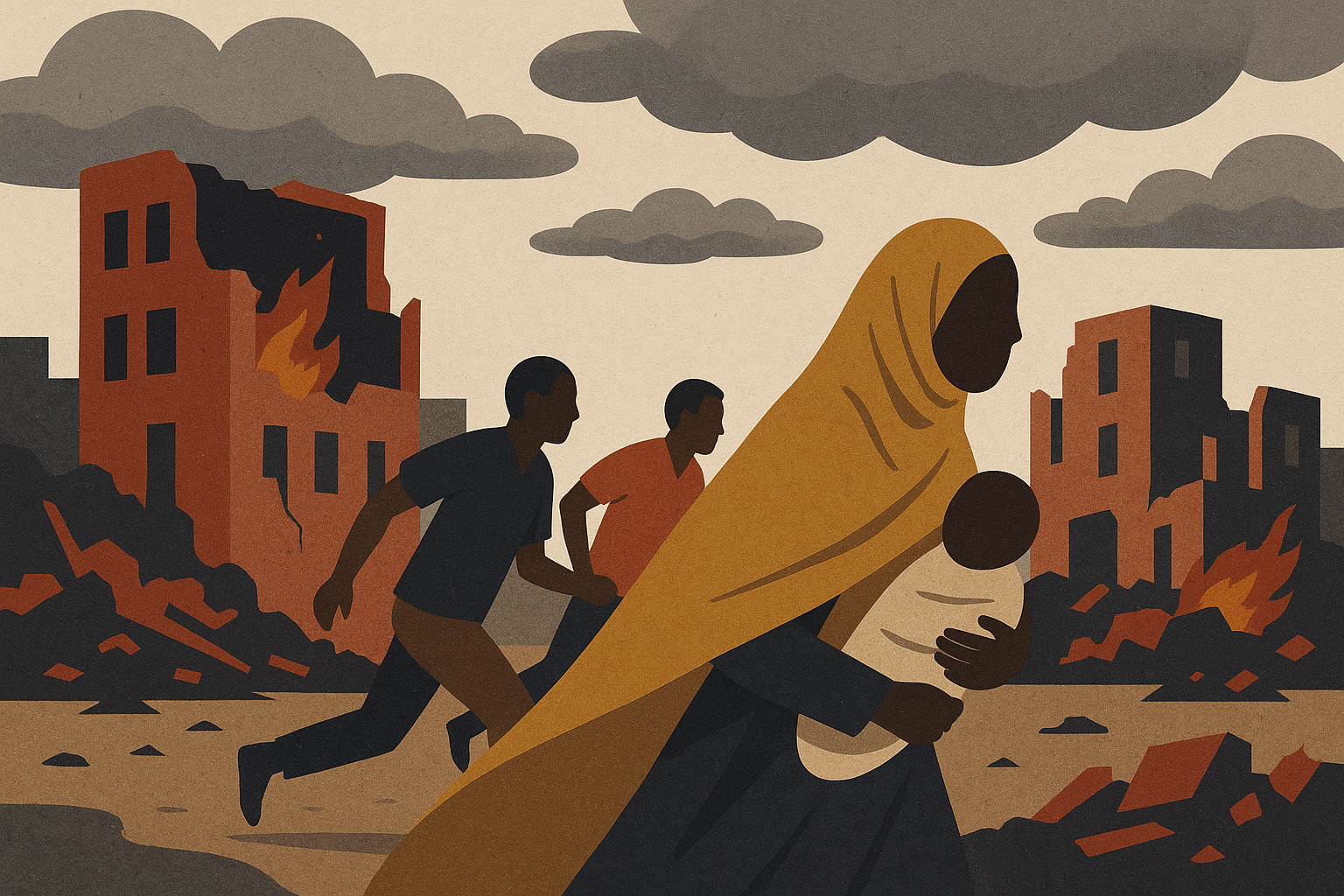
Several international organizations are warning of a risk of mass atrocities in El Obeid, the capital of North Kordofan besieged by the Rapid Support Forces. The recent history of El-Fasher serves as a reminder of what these warnings could mean for Sudanese Christians.
Context
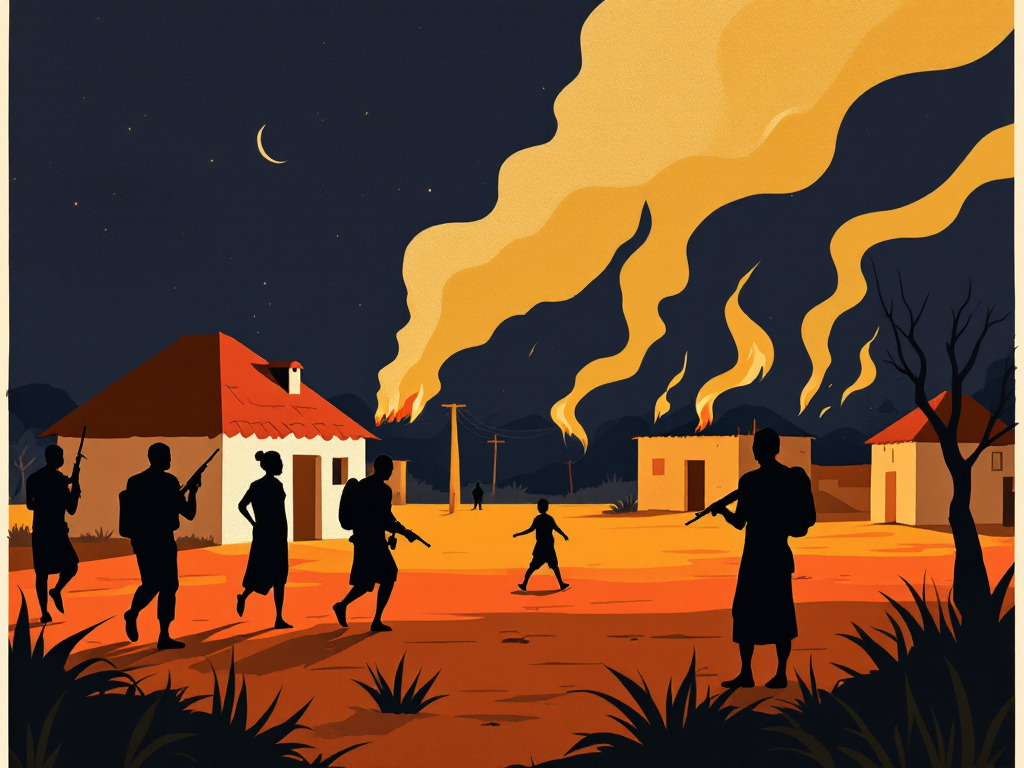
Since April 2023, Sudan has been experiencing a civil war between the regular army and the Rapid Support Forces (RSF), an Arab-dominated militia formerly linked to the Janjaweed in Darfur. By the fall of 2025, the capture of El-Fasher had been accompanied by massacres documented by the United Nations and ACN. In June 2026, El Obeid, the capital of North Kordofan State, is under siege.
The Facts
On June 23, 2026, La Croix reported that several international organizations are warning of a risk of "mass atrocities" in El Obeid, similar to those committed in El-Fasher. The RSF controls a large part of Sudanese territory. El Obeid is home to a significant civilian population, including Christian communities and a Catholic diocese. No binding resolution from the UN Security Council has been announced at this stage.
Doctrinal Analysis
The Church has a clear doctrine on civil wars and crimes against civilians. The Compendium of the Social Doctrine of the Church (nos. 500-501) recalls that international humanitarian law is morally binding, and that deliberate attacks against civilian populations constitute crimes against humanity that the international community has a duty to prevent. The concept of the Responsibility to Protect (R2P), recognized by the UN in 2005 and compatible with the Catholic doctrine of just war (CCC nos. 2307-2309), creates an obligation to act that the current diplomatic silence effectively violates.
Christians in Sudan have faced systematic pressure for decades. ACN regularly identifies them as priority communities in its persecution monitoring (ACN 2025 report). El Obeid is not an anonymous city for the Church: its Catholic diocese reflects an established presence that the war threatens to erase.
Stakes for the Church and the Faithful
The warnings from international organizations remain verbal and without follow-up. The war in Sudan remains underreported in Europe, overshadowed by the Ukrainian and Iranian crises. This invisibility is itself an ethical blind spot: we only protect what we see. The Church, through its local presence and networks (ACN, Caritas, dioceses), possesses on-the-ground knowledge that governments lack.
Critical Analysis and Blind Spots
The lack of a strong international response is due to geopolitics: Sudan lacks the oil leverage of the Strait of Hormuz or the media visibility of Ukraine. The RSF is funded by Gulf states, complicating any diplomatic pressure. The international community allowed El-Fasher to burn; the precedent weighs heavily.
For Reflection and Action
*‘The voice of your brother’s blood is crying to me from the ground.’* Pray for the Christians of El Obeid, support ACN in its emergency actions for Sudan, and alert elected officials and the media about European diplomatic silence: three simple acts to avoid being complicit in the oblivion that precedes massacres.
Content reserved for members
Create a free account to access all our content and the weekly review.

Story timeline
Soudan : la guerre civile et le sort des chrétiens
- 1Soudan : le siège d'El Obeid, une menace d'atrocités de masse contre les civils et les chrétiens23/06/2026
- 2Soudan : El Obeid assiégée, les chrétiens au bord de l'abîme24/06/2026