Cardinal Trochta: Czech justice reopens the trial of a communist martyr
Rome 34 min ago0Add to bookmarks

A court in Prague must examine the legality of the internment, in the 1950s, of the Salesian Štěpán Trochta, cardinal in pectore of Paul VI. A memory that obliges.
The fact
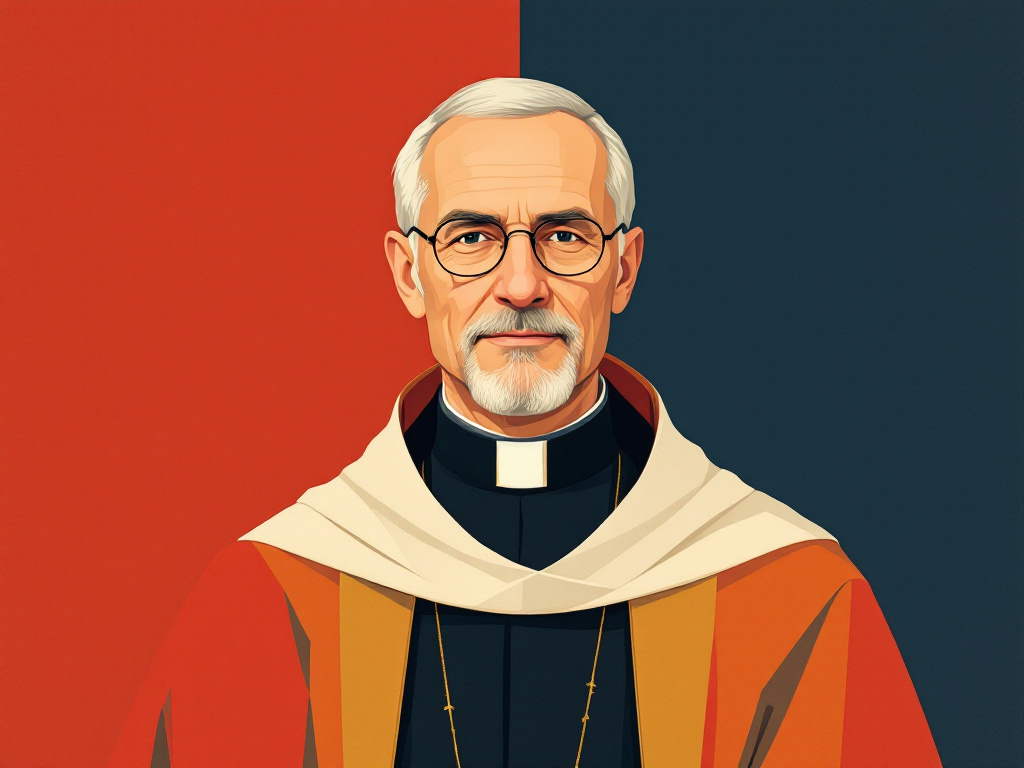
A Czech district court must examine the legality of the internment of Cardinal Štěpán Trochta (1905-1974) in the 1950s. Bishop of Litoměřice since 1947, contemporary of Cardinal Beran, Archbishop of Prague, in the same persecuted Czech Church, this Salesian priest was imprisoned by the Nazis in Mauthausen between 1942 and 1945, then sentenced in 1954 by the Czechoslovak communist regime to twenty-five years' imprisonment for alleged high treason. Released in 1960, he lived under house arrest until his death in 1974, a few hours after a humiliating summons from the regime's authorities. Paul VI had created him cardinal in pectore in 1969, then published in 1973.
Our reading
The current judicial initiative matters. Not because it would change the Church's judgment on this great servant, but because it forces the Czech state to legally qualify what Rome has already spiritually qualified: an unjust persecution, exercised by an atheist regime against a pastor whose only crime was his fidelity to the successor of Peter. The catechism reminds us that persecution is a sign of the true Church and a grace. Trochta joins the long list of martyrs of the 20th century under totalitarian regimes: Beran in Bohemia, Mindszenty in Hungary, Stepinac in Croatia, Slipyj in Ukraine.
To ponder
The memory of the persecuted Churches of Central Europe is not an antiquity. It is a living heritage that the demolition of monuments and school forgetting threaten more and more each day. Let us remember: faith survives the torturers, and the truth always ends up being told, even before the courts it has founded in law.
Article produced by artificial intelligence, reviewed under human editorial control.