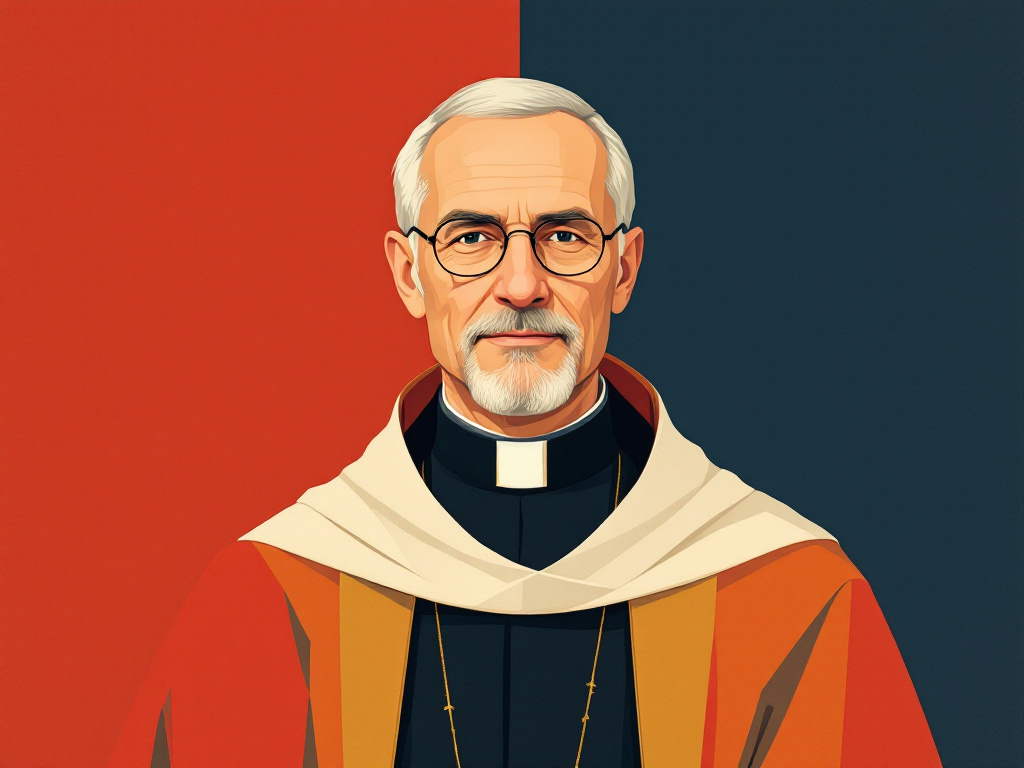
Iannone reveals the criteria of Leo XIV for choosing bishops
RomeMembers only 1 h ago0Add to bookmarks
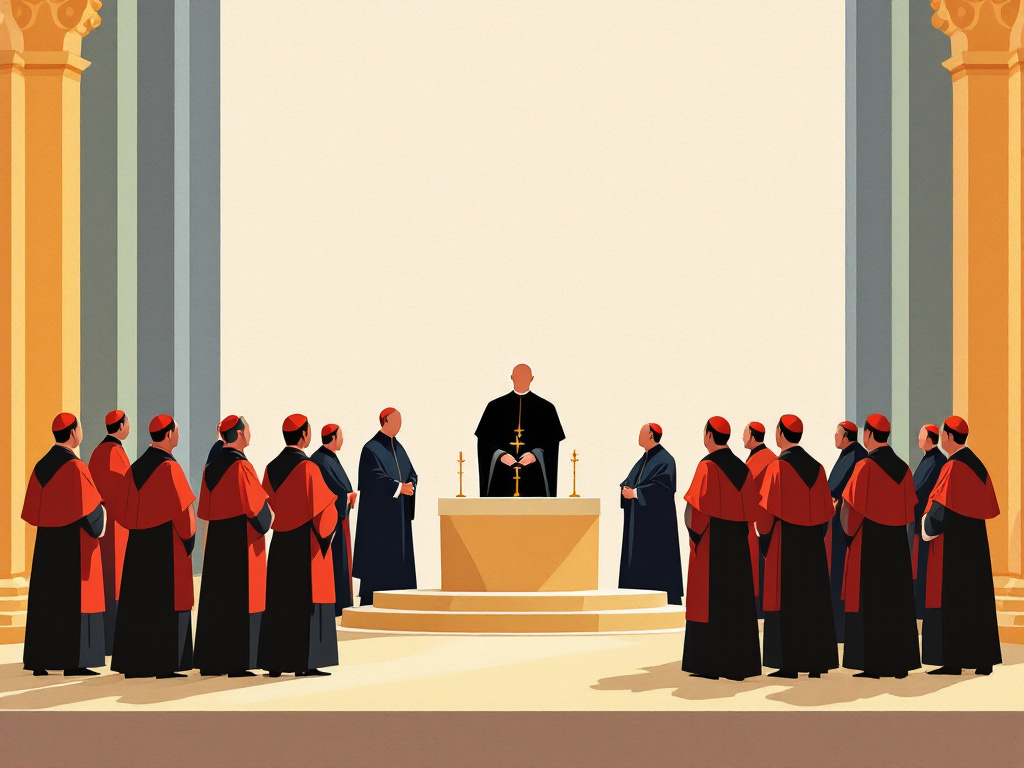
The prefect of the Dicastery for Bishops outlines the method and discernment criteria guiding appointments under the new pontificate.
Context
Since his election on May 8, 2025, Léon XIV has begun to leave his mark on the global episcopate through the ordinary channel of every pontificate: appointments. An interview granted by the prefect of the Dicastery for Bishops, Cardinal Iannone, published on July 17, 2026 by Infovaticana, lifts a little of the veil on the current Roman method.
The Facts
The Prefect recalls the fundamental principle: "The bishop is the father of the entire community." The Dicastery proceeds by broad consultation of the bishops of the country, the apostolic nuncios, and qualified laypeople, then synthesis and proposal to the Pope. Three criteria emerge: doctrinal solidity, governance capacity, and pastoral attention to the peripheries. The process, governed by the apostolic constitution Praedicate Evangelium (2022) and by canon 377 of the 1983 Code, aims to be "methodical and praying."
Doctrinal Analysis
The phrase "father of the entire community" is not a figure of speech. It refers to the munus regendi of the bishop described in Lumen Gentium 27: the pastor exercises authority in persona Christi Capitis, and not by community delegation. The decree Christus Dominus (Vatican II, 1965), in numbers 11 and 16, specifies that the bishop is "the principle and visible foundation of the unity" of the diocese. The Directory for the Pastoral Ministry of Bishops Apostolorum Successores (Congregation for Bishops, 2004) remains the practical reference. To recall paternity is to refuse the double drift: administrative civil service and the synodal democratization of the munus.
Stakes for the Church and the Faithful
The choice of bishops is the long-term lever of pontifical government. We open here a dedicated thread to follow, over time, this Roman policy. The grid exposed by Iannone partly defuses the trials of intent: doctrinal solidity remains an explicit criterion. It remains to be seen the concrete appointments, the only verifiable measure of the line actually followed.
Critical Reading and Blind Spots
The text remains general: no detail on the real place of doctrinal criteria in the votes of the Dicastery, nor on the weight of the lay consultations expanded by Praedicate Evangelium. The sensitive question of the synodal criterion, publicly contested by Cardinal Burke on July 17, 2026, is not addressed. The pedagogical interview does not replace a doctrinal note.
To Meditate and Act
Pray for the appointed bishops, demand from them the clarity of faith, refuse the caricature of a "pope of the laity" as that of a "pope of the files": episcopal paternity is not invented, it is received from Christ and given to the flock.
Content reserved for members
Create a free account to access all our content and the weekly review.
Article produced by artificial intelligence, reviewed under human editorial control.