Cardinal Ruini has passed away: a pillar of the Italian Church
Rome Jun 23, 20263Add to bookmarks
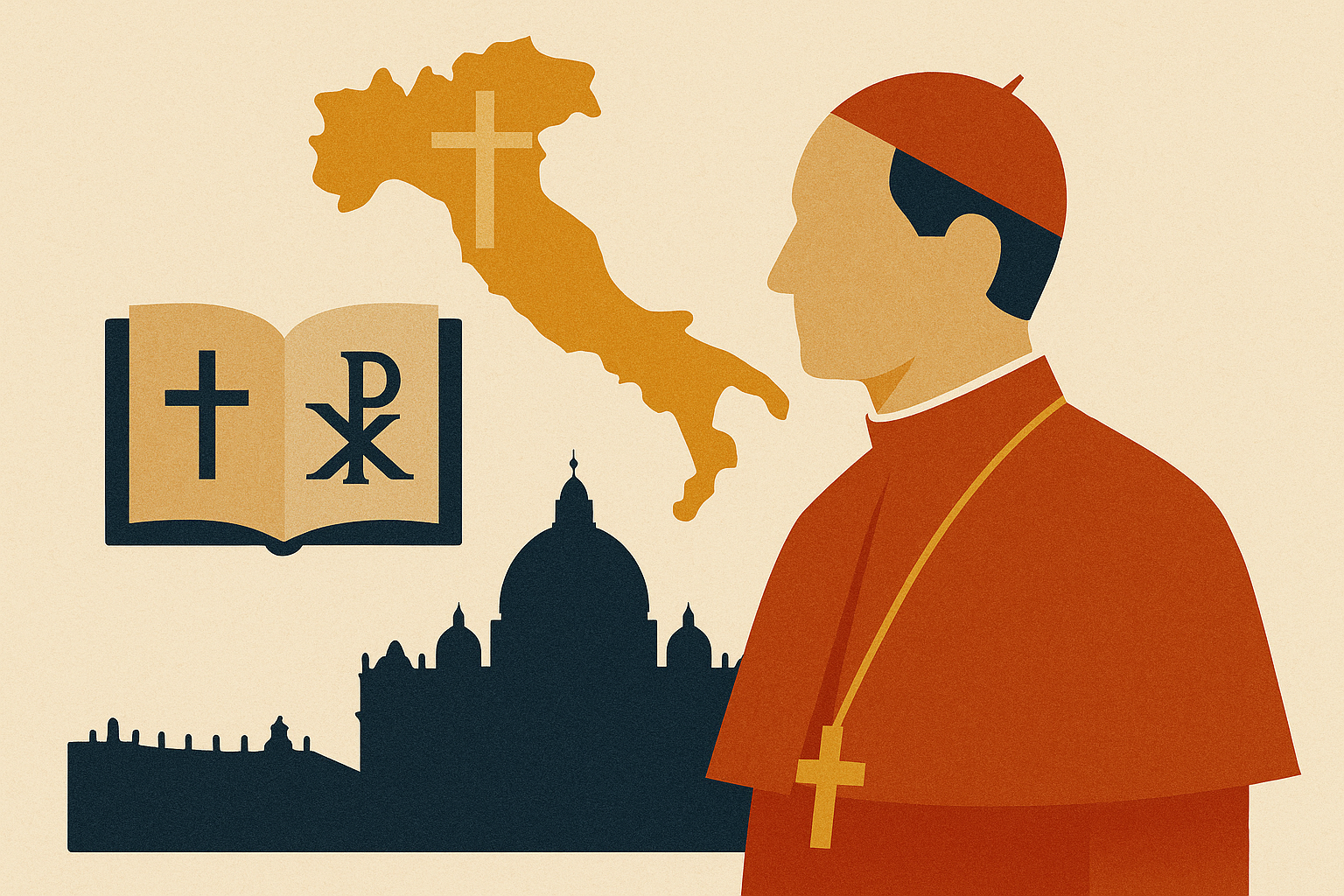
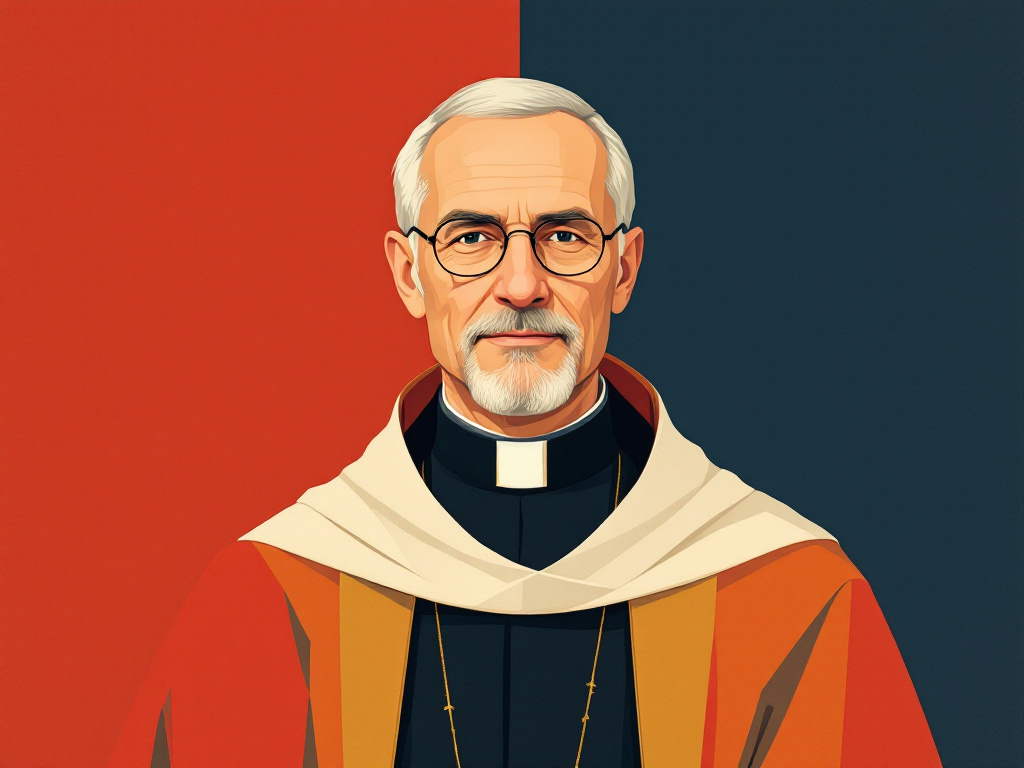
Cardinal Camillo Ruini passed away on June 17, 2026, at the age of 95. Vicar General of Rome for seventeen years under John Paul II and Benedict XVI, and architect of the "progetto culturale," he leaves a decisive mark on the Church in Italy.
Verified Facts
Cardinal Camillo Ruini passed away on June 17, 2026, at the age of 95. He served as the Vicar General of Rome from 1991 to 2008, under John Paul II and then Benedict XVI. He also presided over the Italian Episcopal Conference (CEI) from 1991 to 2007, for sixteen consecutive years.
Pope Leo XIV paid tribute to "a brother of profound faith."
What He Built
Ruini was the defining figure of the Italian Catholic Church in the 1990s and 2010s. As Vicar of Rome for nearly two decades, he was both a manager of a complex administration and a long-term political thinker. He designed and implemented the strategy of the "progetto culturale"—the cultural project of the Italian Church, aimed at reinvesting the public sphere through the combined forces of reason and faith.
In 2005, during the referendum on assisted reproduction, he played a decisive role by calling on Italian Catholics to actively abstain. This strategy led to the invalidation of the vote due to a lack of quorum. It was a political victory, but above all, a demonstration that the Church can weigh in on civic debate through entirely democratic means and without violence.
Doctrinal Insight
Ruini was not merely an administrator. He was a theologian who had integrated the anthropological shift of the post-conciliar Magisterium. His "progetto culturale" drew from Thomistic realism: human intelligence can know the truth, natural reason can recognize moral law, and the Church has the right—and the duty—to participate in civic debate through these same rational means.
The pastoral constitution Gaudium et Spes (Vatican II, 1965) states that the Church "can and must contribute to making humanity more human" (n. 40). Ruini took this seriously. He did not merely comment on current events from within the sacristy. He engaged in the battle of ideas, accepting the consequences of that choice.
Thoughts for the Reader
He leaves an open question: after Ruini, who? The Italian Church has lost a significant part of its cultural influence over the past two decades. The "progetto culturale" has gradually been put on hold. Secularization has advanced.
Ruini’s life reminds us that a Church that renounces thinking—that renounces engaging in the battle of ideas with all its intellectual tools—loses more than influence. It loses the possibility of being salt and light in the city of man. This is not an inheritance to be archived. It is a question posed to each of us.
Comments (3)
Sign in to join the discussion.

Léa75 25 Jun 2026 · 09:27
Ruini a fait bouger les choses sans chercher les projecteurs, son projet culturel m’a vraiment parlé.

passionné_eco 23 Jun 2026 · 13:19
Le projet culturel de Ruini, c'était une bonne idée, mais j'ai souvent eu l'impression qu'il parlait plus aux élites qu'aux paroissiens ordinaires.

sophie.b 23 Jun 2026 · 05:28
Je me souviens de son engagement pour la vie, mais dans les services, ça créait des tensions avec les équipes.